Youth mental health resources can help kids and teens during hard times. Young people can face stress, worry, sadness, bullying, grief, family problems, and other struggles.
Some kids will ask for help.
Others may stay quiet.
That is why support is so important.
Every young person should know where to turn for help.
Young People Need Support
Growing up can be hard.
School can cause stress. Friendships can change. Family problems can cause worry. Bullying can also make a young person feel alone.
In addition, some kids may struggle with sadness or fear.
They may not know how to talk about it.
Adults can help by listening.
A simple conversation can be a good place to start.
Talk to Someone You Trust
Kids and teens should know who they can talk to.
This could be a parent. It could also be a teacher, counselor, coach, doctor, or family member.
You do not need perfect words to ask for help.
You can say:
“I need to talk.”
Or:
“I’m having a hard time.”
Those few words can start an important conversation.
Where Can Kids and Teens Find Help?
There are many youth mental health resources available.
Schools are one place to start. A school counselor or trusted teacher may be able to help.
Doctors can also help. They can listen and help families decide what to do next.
Local youth centers may offer programs and support. In addition, community groups can help young people meet others and feel less alone.
Support groups may also help.
The important thing is to keep looking until you find the right support.
Online and Text Support
Talking in person can feel hard.
For that reason, some kids and teens may prefer text or online support.
Trusted crisis services can provide help by phone, text, or chat.
This can make reaching out feel easier.
It can also help a young person take the first step toward getting more support.
Know the Warning Signs
Adults should pay attention when a child’s behavior changes.
For example, a young person may:
- Pull away from friends.
- Stop doing things they enjoy.
- Seem very sad.
- Become angry more often.
- Sleep much more or less.
- Talk about feeling hopeless.
- Say they feel like a burden.
- Talk about death or suicide.
Do not ignore these signs.
Instead, ask how they are feeling.
Then listen.
Keep Checking In
One talk may not be enough.
Check in again later.
Ask how things are going. Let the young person know you still care.
Most of all, make it safe for them to talk.
Small moments of support can build trust.
Help Is Available
If a young person is in a mental health crisis in the United States, call or text 988 for the Suicide & Crisis Lifeline.
If there is immediate danger, call 911 or go to the nearest emergency room.
Help is available.
You Are Not Alone
Every child and teen deserves support.
They deserve to feel heard.
They deserve to feel safe.
&
They deserve to know that asking for help is okay.
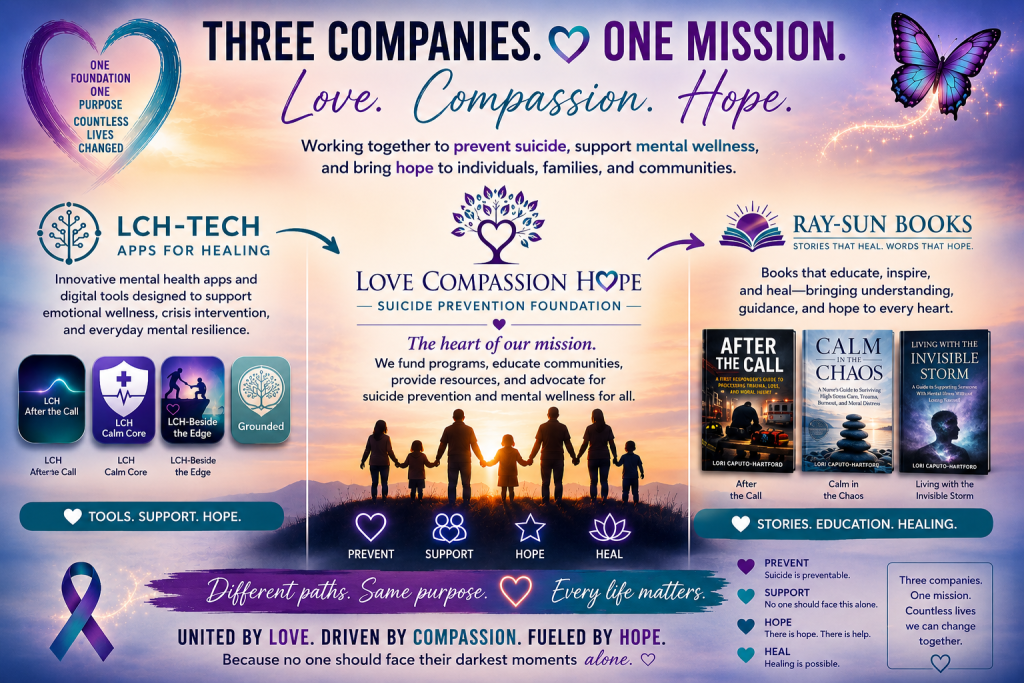
Our youth mental health resources are here to help young people and families find information, support, and hope.
No young person should have to face a hard time alone.
You matter.
You are important.
&
You are not alone.
There is help. There is hope.