When someone you love lives with a mental illness, life can change for everyone around them. You may want to help but not know what to say. You may worry about making things worse. At times, you may feel tired, scared, angry, or alone.
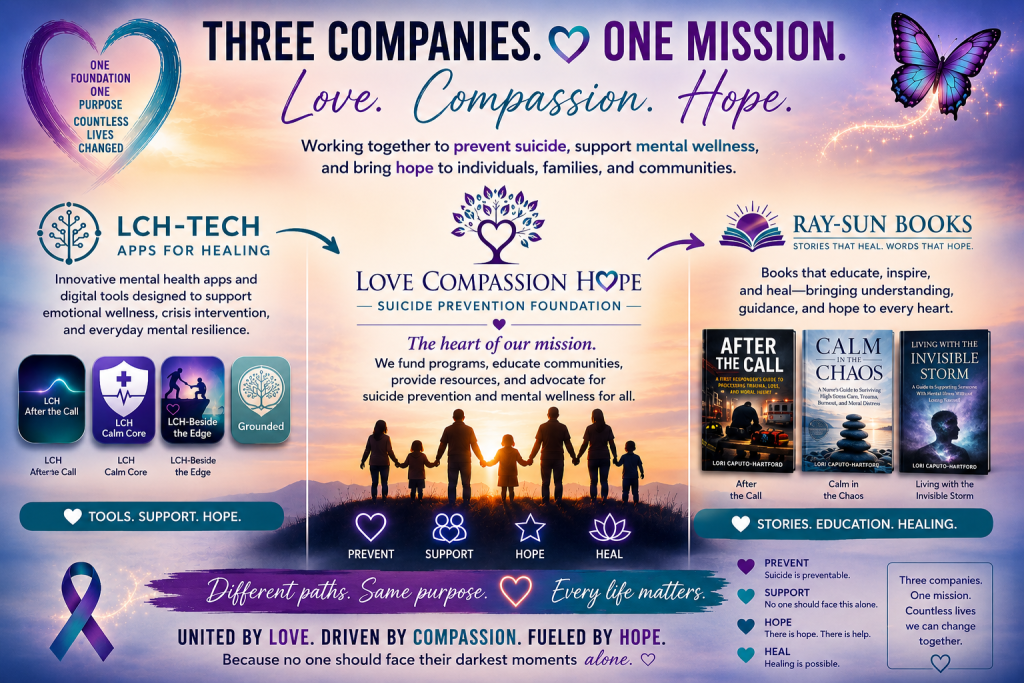
Our Mental Illness Family Support ecosystem brings together books, apps, practical tools, and resources for people living with mental illness and the family members, partners, friends, and caregivers who walk beside them.
The goal is simple: help people understand each other, communicate with care, and find support during both good days and hard ones.
Understanding Mental Illness
Mental illness can affect thoughts, feelings, sleep, energy, behavior, and daily life.
The person you love may struggle in ways that are hard for you to see. Some days may go well. Other days may bring fear, sadness, anger, worry, or withdrawal.
Learning more can help you understand what may be happening.
It can also help you respond with care instead of fear.
Walking Beside Someone You Love
Supporting someone does not mean fixing everything for them.
You can listen.
Can ask what they need.
Can learn what helps during hard moments.
You can encourage them to seek help when they need it.
Most of all, you can remind them that they do not have to face everything alone.
Our Walking Beside the Edge book and LCH-Beside the Edge app offer practical support for this part of the journey.
Support for Families and Caregivers
Caring for someone you love can take a lot of energy.
You may spend so much time watching for signs of trouble that you forget to care for yourself. May lose sleep. May cancel plans. You may feel guilty when you need a break.
Your needs matter too.
Rest when you can. Talk with someone you trust. Keep parts of your own life that bring you joy. Ask for help when the load becomes too heavy.
Taking care of yourself helps you stay present for the people you love.
Communication During Hard Moments
A calm talk can make a hard moment easier.
Try to listen before offering advice.
Ask simple questions.
Give the person time to answer.
Avoid telling them how they should feel.
You may not understand everything they are going through. You can still let them know that you care.
Sometimes, “I’m here with you” is enough.
Healthy Boundaries Matter
Love does not mean saying yes to everything.
Healthy limits can protect both people.
You can care deeply about someone and still say no. You can take a break. Can protect your own health and safety. You can also ask other people to help.
Boundaries are not about giving up on someone.
They help create healthier ways to care for each other.
When Mental Illness Affects the Family
Mental illness rarely affects only one person.
Partners may feel strain.
Children may have questions.
Parents may worry.
Brothers and sisters may feel confused or left out.
Family routines may change.
Open and age-appropriate talks can help everyone understand what is happening. Families can also work together to decide what helps during difficult days.
Preparing for a Crisis
It can help to make a plan before a crisis happens.
Know who you can call.
Keep important contact information easy to find.
Learn the person’s warning signs.
Talk about what has helped before.
Know when a situation needs professional or emergency help.
A plan can make the next step clearer when emotions run high.
Books, Apps & Practical Tools
Our ecosystem combines reading, digital tools, and educational resources.
Books can help families understand mental illness and the effect it can have on relationships.
Apps can provide tools that people can use throughout the day.
Resources can help families learn about coping, communication, boundaries, crisis planning, and caregiver wellness.
Together, these tools provide support for both the person struggling and the people who care about them.
You Are Part of the Journey Too
Supporting someone with mental illness can include love, fear, hope, frustration, progress, and setbacks.
You will not always know what to do.
That is okay.
Keep learning.
Keep talking.
Caring for yourself.
Keep reaching for support when you need it.
Mental Illness Family Support is not about having every answer. It is about helping people and families find healthier ways to face difficult moments together.
You can love someone without carrying everything for them.
You can support them while caring for yourself too.