Firefighter Mental Health and Healthy Ways to Cope
Alcohol & Substance Use After Trauma
Firefighters see more than most people ever will.
Every shift can bring tragedy, loss, danger, and stress. As a result, those experiences can leave emotional wounds that are not always easy to see.
Many firefighters carry those memories long after the alarm stops.
Sometimes, alcohol or other substances may seem like a way to relax or forget.
However, what starts as a way to cope can slowly become another challenge.
Our Foundation created this resource to help firefighters understand the connection between trauma, alcohol, and substance use while encouraging healthy ways to heal.
Trauma Can Change the Way You Cope
Trauma affects both the mind and the body.
After a difficult call, stress does not always disappear when you return to the station or go home.
Instead, it can build over time.
Because of this, some firefighters begin using alcohol or other substances to quiet difficult thoughts, improve sleep, or escape painful memories.
Although those choices may bring temporary relief, they rarely solve the problem.
Why It Happens
There is no single reason.
Instead, many factors work together.
These may include:
- Repeated exposure to trauma
- Child fatalities
- Serious burn injuries
- Fatal fires
- Long shifts
- Poor sleep
- Stress at home
- Anxiety
- Depression
- PTSD
- Pressure to appear strong
Furthermore, the fire service culture may make it difficult to ask for help.
Warning Signs
The signs often appear slowly.
However, early recognition can prevent bigger problems later.
Watch for:
- Drinking more often
- Drinking alone
- Using alcohol to sleep
- Misusing prescription medication
- Mood changes
- Anger
- Irritability
- Missing work
- Relationship problems
- Taking unnecessary risks
- Feeling out of control
If these signs continue, it may be time to seek support.
Healthy Ways to Cope
There are healthier ways to deal with stress.
For example, many firefighters benefit from:
- Talking with trusted coworkers
- Peer support teams
- Professional counseling
- Regular exercise
- Healthy sleep habits
- Spending time with family
- Hobbies outside the fire service
- Breathing exercises
- Journaling
Most importantly, asking for help is a sign of strength.
Looking Out for Each Other
The fire service is built on teamwork.
Therefore, checking on one another is part of the job.
Notice changes.
Start a conversation.
Listen without judgment.
Offer support.
Sometimes, one honest conversation can change a life.
Recovery Is Possible
Recovery begins with one decision.
Then, it continues one day at a time.
Some days will be easier than others.
Even so, every step forward matters.
Healing is possible.
Hope is real.
You never have to face recovery alone.
Resources from Our Foundation
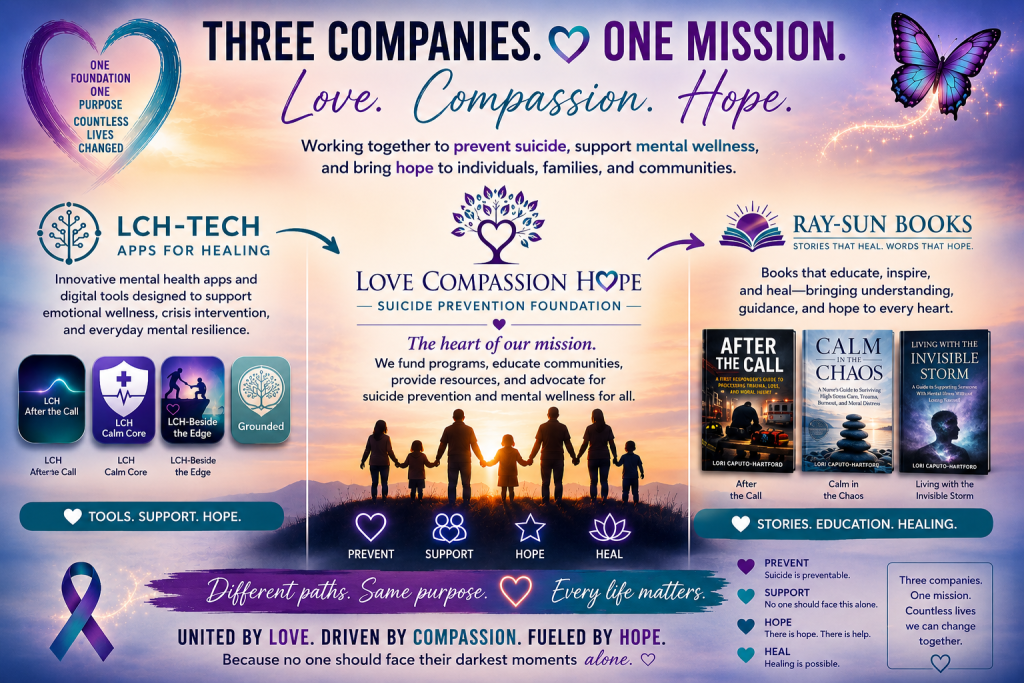
Companion App
LCH-Recovery
The app provides practical tools to support emotional wellness and recovery, including:
- Daily check-ins
- Recovery support
- Guided journaling
- Coping strategies
- Emotional wellness exercises
- Crisis resources
- Motivational encouragement
Companion Book
Substance Recovery Support: A Practical Guide to Recovery, Relapse Prevention, and Emotional Healing
This compassionate guide explores addiction, recovery, relapse prevention, emotional healing, resilience, and long-term wellness while providing practical strategies for individuals and families.
You May Also Find These Resources Helpful
- Beyond the Alarm (future firefighter ecosystem)
- Restore
- Grounded
- Crisis & Immediate Support
- Trauma & Recovery
- Community Partners & Resources
You Are Not Alone
Firefighters answer difficult calls every day.
However, no one should have to carry those experiences alone.
Healing takes courage.
Recovery takes support.
Above all, your mental health matters.
Taking care of yourself helps you continue taking care of others.
Our Foundation is honored to stand beside firefighters with compassion, education, and hope.