A line-of-duty death changes everything. It affects families, coworkers, friends, and the entire department. Life may never feel the same again.
You may feel shocked. May feel angry. You may feel guilty. Some people cry often. Others become quiet or throw themselves into work. Every response is different.
There is no right or wrong way to grieve. However, you do not have to face this loss alone. Support can help. Healing is possible.
Common Reactions After a Line-of-Duty Death
Grief affects the mind and body. As a result, you may notice many different emotions.
Common reactions include:
- Shock or disbelief
- Deep sadness
- Anger or frustration
- Survivor’s guilt
- Trouble sleeping
- Low energy
- Poor focus
- Loss of interest in normal activities
- Replaying the incident
- Asking “What if?”
These reactions are common. They do not mean you are weak. Instead, they show that someone important was lost.
Healthy Ways to Heal
Healing takes time. Even so, small steps can make a big difference.
Try to:
- Talk with someone you trust.
- Accept help from others.
- Stay connected with your crew.
- Eat healthy meals.
- Drink enough water.
- Get regular sleep.
- Move your body every day.
- Honor your fallen coworker in a meaningful way.
- Take breaks when you need them.
- Speak with a counselor if the pain feels too heavy.
You do not have to do everything at once. Instead, take one small step each day.
Help a Fellow First Responder
Grief looks different for everyone. Some people talk. Others stay quiet. Therefore, pay attention to changes in behavior.
You can help by:
- Checking in often.
- Listening without judging.
- Offering practical support.
- Respecting their grief.
- Inviting them to peer support.
- Encouraging professional help if needed.
A simple conversation can make a real difference.
Know When to Reach Out
Sometimes grief becomes harder instead of easier. If that happens, reach out for help.
Warning signs include:
- Feeling hopeless
- Thoughts of suicide
- Heavy drinking or drug use
- Panic attacks
- Ongoing nightmares
- Pulling away from family and friends
- Trouble working or caring for yourself
Help is available. Asking for it is a sign of strength.
After the Call Resources
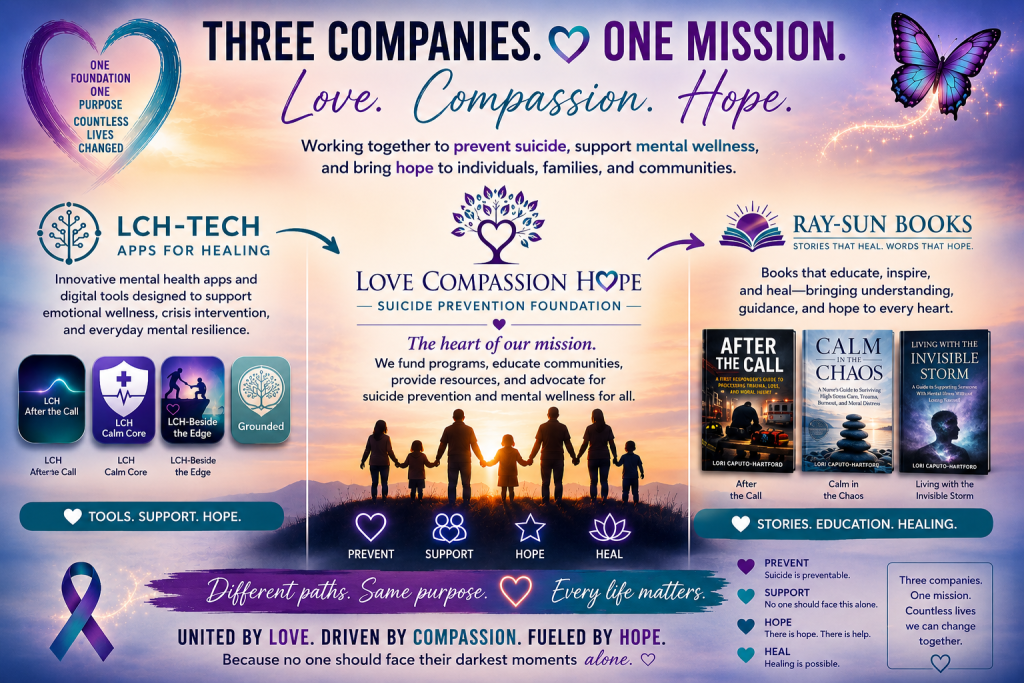
The After the Call ecosystem was built for first responders. It supports firefighters, EMS professionals, law enforcement officers, dispatchers, correctional officers, and other public safety personnel.
The After the Call book explains grief, trauma, burnout, PTSD, peer support, and recovery in simple, practical language. Meanwhile, the LCH–After the Call app provides coping tools, wellness exercises, grounding techniques, educational resources, and fast access to crisis support.
Together, they help first responders care for their mental health after difficult calls and major losses.
You Are Never Alone
A line-of-duty death leaves a lasting mark. Even so, hope remains. Stay connected. Accept support. Remember your fallen coworker. Also remember to care for yourself.
One conversation can help. One day can get better. One step can begin healing.