Depression is more than feeling sad. It is a real medical condition that affects how you think, feel, and live each day. It can drain your energy, change your sleep, make it hard to concentrate, and take away hope. Although depression can feel overwhelming, it is treatable, and recovery is possible.
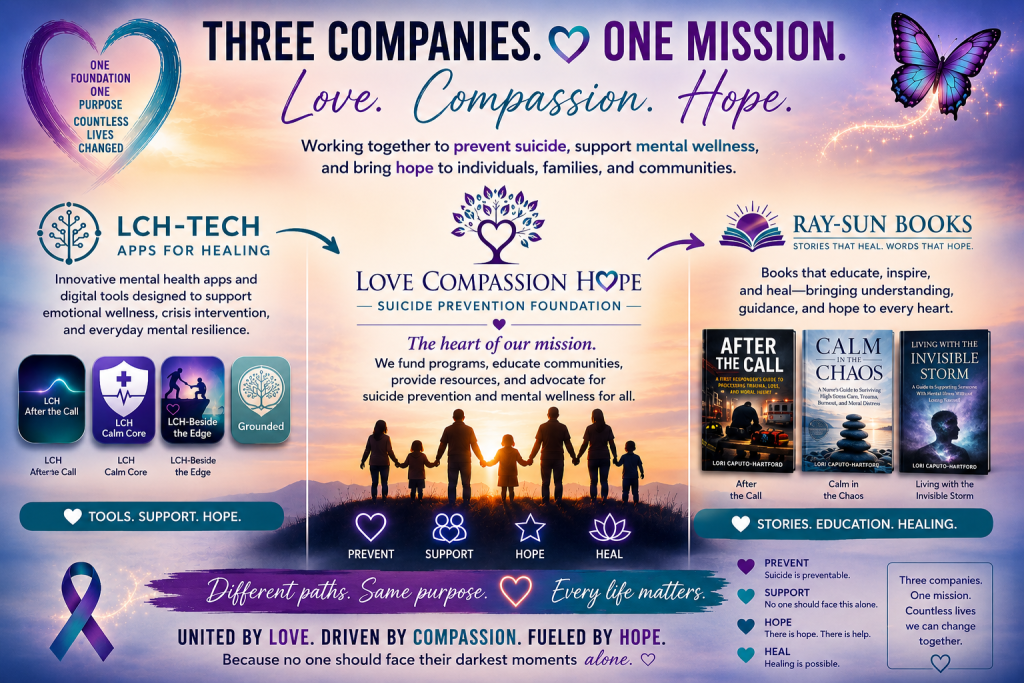
The Love, Compassion, Hope Suicide Prevention Foundation provides mental health resources, educational articles, books, mobile apps, and practical tools to help individuals and families understand depression, recognize suicide warning signs, and find support. Whether you are struggling yourself or helping someone you love, you do not have to face this alone.
Understanding Depression
Depression affects millions of people every year. It can impact your emotions, your physical health, your relationships, your work, and your ability to enjoy life.
Common symptoms include:
- Persistent sadness or emptiness
- Feeling hopeless or worthless
- Loss of interest in activities
- Changes in sleep
- Changes in appetite
- Low energy or fatigue
- Trouble concentrating
- Irritability or frustration
- Feelings of guilt
- Thoughts of death or suicide
Symptoms can range from mild to severe. They may also look different from one person to another.
When Depression Becomes Serious
Sometimes depression can lead to suicidal thoughts. These thoughts should always be taken seriously.
Warning signs may include:
- Talking about wanting to die
- Feeling like a burden
- Giving away possessions
- Saying goodbye to loved ones
- Increased alcohol or drug use
- Pulling away from family and friends
- Sudden mood changes
- Looking for ways to end one’s life
If you notice these signs in yourself or someone else, reach out right away. Help is available.
What Can Help
Recovery often begins with one small step.
Helpful actions include:
- Talk with someone you trust.
- Contact a mental health professional.
- Follow your treatment plan.
- Take medication if prescribed.
- Stay active when you can.
- Eat healthy meals.
- Get regular sleep.
- Spend time with supportive people.
- Practice healthy coping skills.
- Be patient with yourself.
Healing takes time. Progress is possible.
Supporting Someone With Depression
You do not need to have all the answers. Simply being present can make a difference.
Helpful things to say include:
- “I’m here for you.”
- “You matter to me.”
- “I’m glad you told me.”
- “How can I help?”
- “Let’s get through this together.”
- “You are not alone.”
Listening with kindness often helps more than trying to fix the problem.
What to Avoid
Some comments may increase shame or isolation.
Avoid saying:
- “Just cheer up.”
- “It’s all in your head.”
- “Everyone feels that way.”
- “Think positive.”
- “You have so much to live for.”
- “Others have it worse.”
Instead, listen, show compassion, and encourage professional help.
Mental Health Resources
The Love, Compassion, Hope Suicide Prevention Foundation offers resources for people living with depression, suicidal thoughts, and other mental health challenges.
Resources include:
- Walking Beside the Edge book
- LCH-Rising suicide prevention app
- LCH-Reset for immediate emotional support
- Educational articles
- Crisis resources
- Mental wellness tools
- Community support information
These resources are designed to provide education, hope, and practical support while encouraging professional care when needed.
You Are Not Alone
Depression can make you believe that things will never get better. Depression lies.
Hope is real. Healing is possible. People recover every day with support, treatment, and connection.
You matter. Your life matters. Help is available, and you do not have to face this journey alone.