A critical incident can change your life in seconds. A child death, officer-involved shooting, line-of-duty death, serious crash, suicide, or mass casualty event can leave lasting emotional wounds. These reactions are normal. You do not have to face them alone.
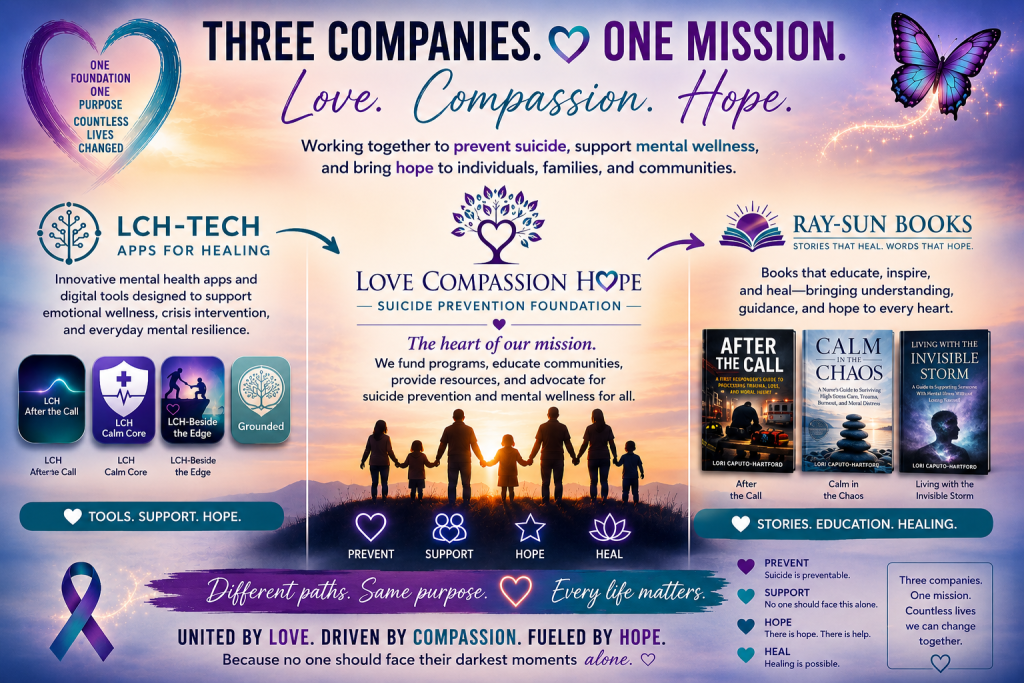
The Love, Compassion, Hope Suicide Prevention Foundation created this resource for police officers, firefighters, EMS professionals, correctional officers, 911 dispatchers, military personnel, healthcare workers, and other helping professionals. We provide mental health education, practical tools, books, apps, and trusted resources to support recovery after traumatic events.
What Is a Critical Incident?
A critical incident is any event that causes unusually high stress or emotional pain. It can overwhelm your normal coping skills.
Examples include:
- Officer-involved shootings
- Serious injuries or fatalities
- Child abuse investigations
- Child deaths
- Suicide scenes
- Death notifications
- Line-of-duty deaths
- Violent assaults
- Mass casualty incidents
- Natural disasters
Every person reacts differently. There is no right or wrong way to feel.
Common Stress Reactions
After a traumatic event, you may experience:
- Shock or disbelief
- Sadness or grief
- Anger or frustration
- Anxiety or panic
- Trouble sleeping
- Difficulty concentrating
- Emotional numbness
- Guilt or self-blame
- Physical exhaustion
- Withdrawal from family and friends
These reactions are common. They do not mean you are weak. They mean your mind and body are responding to trauma.
How to Begin Healing
Recovery starts with one small step.
First, accept that the incident affected you. Next, allow yourself time to process what happened. Then, talk with someone you trust. A peer supporter, supervisor, chaplain, counselor, or family member can help.
Also, care for your body. Eat well. Stay hydrated. Get enough sleep. Exercise when you can.
Healing takes time. However, every healthy choice moves you forward.
Healthy Coping Skills
Healthy habits can reduce stress and build resilience.
Try to:
- Talk with trusted peers
- Attend peer support or CISM meetings
- Write in a journal
- Practice deep breathing or mindfulness
- Exercise regularly
- Spend time with supportive people
- Keep a healthy daily routine
- Seek professional counseling if needed
Small steps make a big difference.
What to Avoid
Some coping methods may seem helpful. However, they often make recovery harder.
Avoid:
- Keeping everything inside
- Isolating yourself
- Using alcohol or drugs to cope
- Returning to work too soon
- Ignoring ongoing symptoms
- Believing you should simply “get over it”
Getting help early can prevent bigger problems later.
Resources for First Responders
The Love, Compassion, Hope Suicide Prevention Foundation offers resources created for first responders and other helping professionals.
These include:
- LCH-After the Call for police, fire, EMS, and dispatchers
- LCH-Stand Down for veterans and military members
- LCH-Behind the Wall for correctional officers
- Mental health articles
- Books and guides
- Mobile apps
- Crisis resources
- Community support information
These tools support recovery and emotional wellness.
You Are Not Alone
You have helped people during the hardest moments of their lives. Now it is okay to care for yourself.
Recovery is possible. Healing takes time. Asking for help is a sign of strength.
Your mental health matters. Your life matters. You matter.