Leaving an abusive relationship takes courage. Recovery takes time, but healing is possible. You deserve to feel safe, respected, and hopeful again. Although the road may seem long, you do not have to walk it alone.
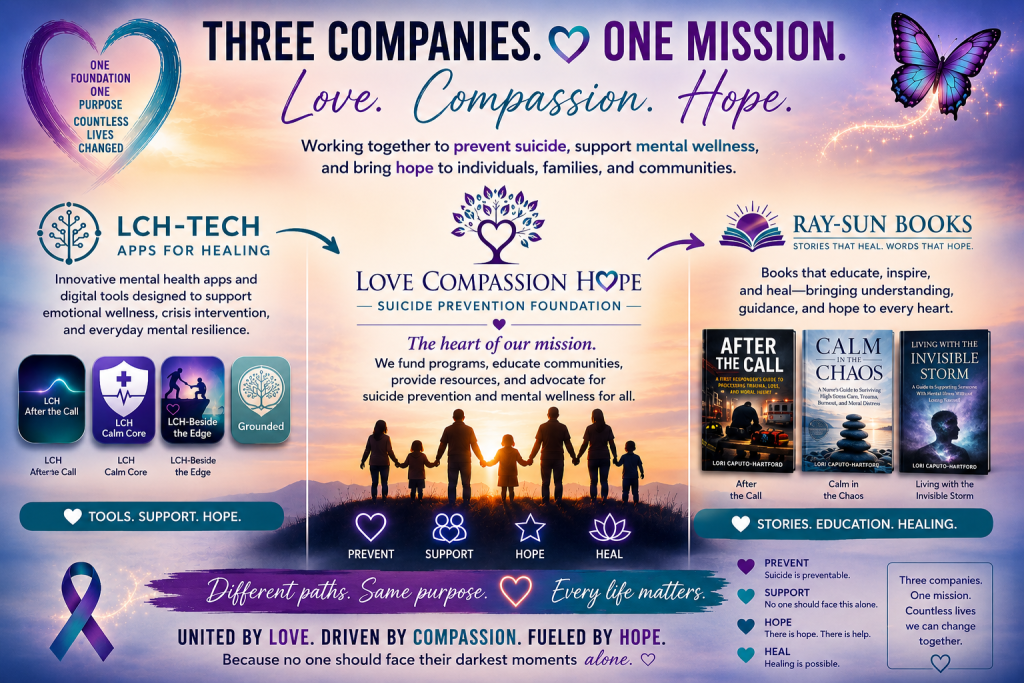
The Love, Compassion, Hope Suicide Prevention Foundation offers books, mobile apps, educational resources, and practical tools for survivors of domestic violence. Our goal is to help you heal, rebuild confidence, and create a safer future.
What Is Domestic Violence Recovery?
Recovery begins when the abuse ends, but healing continues long afterward. Abuse affects the body, mind, emotions, and relationships. Therefore, recovery is about much more than leaving. It is about learning to feel safe again.
Every survivor heals at a different pace. Some people recover quickly. Others need more time. Both experiences are normal.
Common Effects of Abuse
Domestic violence can affect many parts of your life.
You may experience:
- Anxiety
- Depression
- Trouble sleeping
- Low self-esteem
- Panic attacks
- Feeling constantly on guard
- Difficulty trusting others
- Guilt or shame
- Emotional numbness
- Physical exhaustion
These reactions are common after abuse. They do not mean you are weak.
Steps Toward Healing
Recovery happens one step at a time. Small choices often lead to lasting change.
You can begin by:
- Creating a safety plan.
- Talking with someone you trust.
- Finding a therapist.
- Joining a support group.
- Practicing daily self-care.
- Setting healthy boundaries.
- Writing in a journal.
- Celebrating small victories.
- Setting realistic goals.
- Giving yourself time to heal.
Each positive step moves you forward.
Healthy Coping Skills
Healthy coping skills help reduce stress and improve emotional health.
Many survivors benefit from:
- Walking or exercising
- Deep breathing
- Mindfulness
- Meditation
- Creative hobbies
- Reading
- Spending time outdoors
- Healthy sleep habits
- Eating balanced meals
- Talking with supportive people
Find the tools that work best for you and use them often.
Things That Can Slow Recovery
Some habits make healing more difficult.
Try to avoid:
- Blaming yourself.
- Ignoring your feelings.
- Isolating yourself.
- Returning to unsafe situations.
- Comparing yourself to others.
- Using alcohol or drugs to cope.
- Expecting quick results.
Instead, give yourself patience and compassion.
Building a New Future
Healing is about more than surviving. It is also about creating the life you deserve.
Focus on:
- Building healthy relationships.
- Growing your confidence.
- Learning to trust yourself.
- Creating financial independence.
- Setting personal goals.
- Discovering new interests.
- Finding hope again.
Every day gives you another opportunity to grow stronger.
Resources That Can Help
The Love, Compassion, Hope Suicide Prevention Foundation offers resources for survivors of abuse and trauma.
These include:
- When Home Hurts book
- LCH-Safe Within trauma recovery app
- LCH-Restore PTSD recovery app
- Mental health articles
- Trauma recovery resources
- Safety planning information
- Crisis support resources
- Family education
These resources are designed to help survivors heal, recover, and move forward.
You Are Stronger Than Your Past
Abuse does not define who you are.
Healing takes time. Progress may feel slow. However, every step forward matters. With support, healthy tools, and hope, you can build a life filled with safety, confidence, and peace.
You deserve healing. You deserve happiness. Most importantly, you deserve a future free from abuse.