Coercive control is not always easy to see. It often happens little by little. Over time, one person uses fear, manipulation, isolation, or control to gain power over another.
Unlike physical abuse, coercive control may leave no visible injuries. However, the emotional damage can be just as serious. It can affect your confidence, your relationships, your mental health, and your sense of safety.
Most importantly, it is never your fault. You deserve to feel safe, respected, and free.
What Is Coercive Control?
Coercive control is a pattern of behavior used to dominate another person. Instead of one isolated event, it involves repeated actions that slowly take away a person’s independence and confidence.
Someone using coercive control may:
- Monitor where you go.
- Control your money.
- Isolate you from family and friends.
- Humiliate or criticize you.
- Threaten you or your loved ones.
- Make decisions for you.
- Blame you for their behavior.
- Gaslight you or make you question reality.
Although every situation is different, the goal is the same—to gain power and control.
Why It Can Be Hard to Recognize
Coercive control often begins in subtle ways. At first, controlling behavior may seem like love, concern, or protection.
However, the behavior usually becomes more restrictive over time.
You may begin to:
- Feel like you are always walking on eggshells.
- Question your own memory or judgment.
- Feel guilty for things that are not your fault.
- Avoid friends or family.
- Ask permission before making simple decisions.
- Feel trapped or afraid to leave.
If these experiences sound familiar, you are not overreacting. Your feelings are valid.
Steps Toward Healing
Healing does not happen overnight. Even so, every small step matters.
You can begin by:
- Trusting your instincts.
- Talking with someone you trust.
- Creating a safety plan.
- Setting healthy boundaries.
- Learning about abusive relationships.
- Keeping a journal.
- Connecting with a counselor or advocate.
- Building a strong support system.
- Taking care of your emotional well-being.
- Believing that a better future is possible.
Every step forward is a step toward freedom.
What Helps
Recovery looks different for everyone. Still, many people find healing through:
- Trauma-informed counseling
- Support groups
- Mindfulness and relaxation
- Creative activities
- Time in nature
- Reading and learning
- Journaling
- Healthy daily routines
- Safe relationships
You do not have to heal alone.
When to Reach Out
Sometimes coercive control becomes dangerous.
Reach out for help if you are experiencing:
- Threats or intimidation
- Financial control
- Isolation from loved ones
- Monitoring of your phone or social media
- Sexual pressure or manipulation
- Fear of your partner’s reactions
- Loss of your independence
- Feeling trapped or unsafe
If you believe you are in immediate danger, call 911 or your local emergency services.
You Deserve Safety
Everyone deserves a relationship built on trust, respect, and kindness.
No one deserves to live in fear.
OR deserves to be controlled.
No one deserves to lose their voice.
Healing is possible. Freedom is possible. Hope is real.
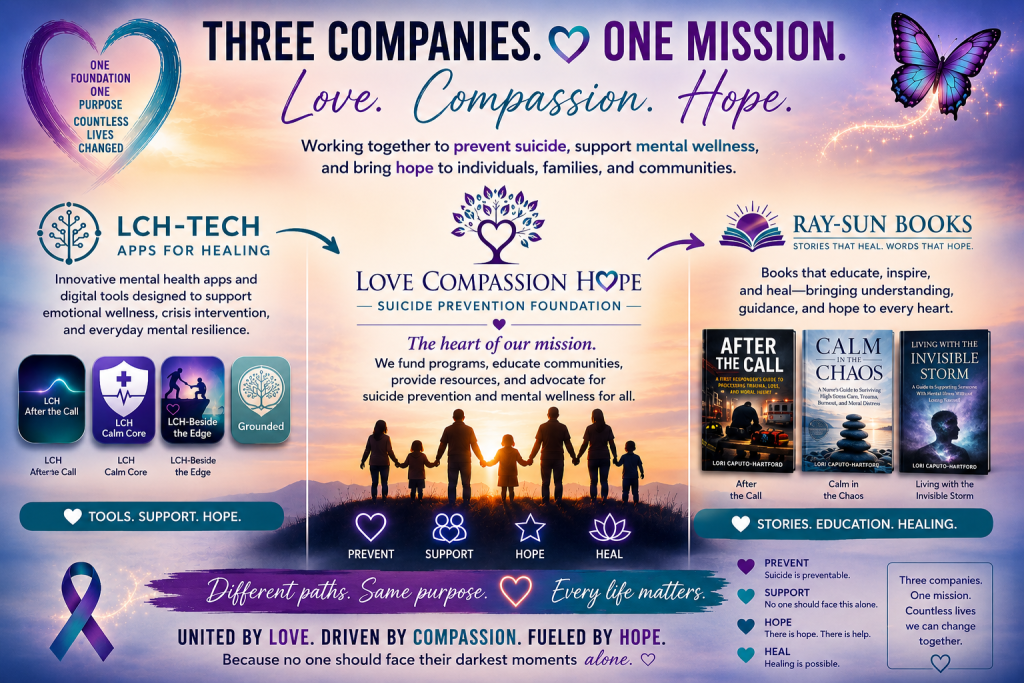
Find Support Through Our Trauma Recovery Ecosystem
If you are healing from coercive control, emotional abuse, or domestic violence, our resources are here to help.
Featured Books
📖 When Home Hurts
Understand emotional abuse, coercive control, domestic violence, trauma, and the journey toward healing in a compassionate, easy-to-follow guide.
📖 Restore After Trauma
Learn practical strategies to recover from trauma, reduce anxiety, rebuild confidence, and move forward with hope.
Companion App
📱 LCH-Safe Within
Access emotional wellness tools, grounding exercises, guided relaxation, safety planning resources, coping strategies, journaling prompts, crisis information, and daily encouragement whenever you need support.
Together, these resources provide education, practical tools, and compassionate guidance to help survivors reclaim their lives, rebuild their confidence, and move toward healing.