LGBTQIA+ Suicide Prevention
Everyone deserves to feel safe, loved, and accepted. Yet some LGBTQIA+ people face bullying, hate, rejection, or fear. Some may feel alone. Others may feel like they have nowhere to turn.
LGBTQIA+ Suicide Prevention starts with care, respect, and support. A kind word can help. A safe place can help. Most of all, knowing someone cares can give a person hope.
Why Support Matters
Hard times can affect anyone. However, some LGBTQIA+ people also face stress because of how others treat them.
This may include:
- Bullying
- Family rejection
- Hate or unfair treatment
- Feeling alone
- Fear of being judged
- Trouble finding safe care
- Money or housing problems
- A lack of support
No one should have to face these struggles alone.
Know the Warning Signs
A person in pain may not always ask for help.
Watch for signs such as:
- Talking about wanting to die
- Saying they have no reason to live
- Feeling trapped
- Feeling like a burden
- Pulling away from others
- Giving away things they care about
- Saying goodbye
- Big changes in sleep or mood
- More use of alcohol or drugs
- Self-harm
- Loss of hope
Take these signs seriously.
Ask the Question
You may worry that asking about suicide will make things worse. Asking with care can open the door to a real talk.
Be calm.
Be clear.
Listen.
Do not judge.
You can say, “Are you thinking about suicide?”
Then give the person time to answer.
If they say yes, stay with them when you can do so safely. Help them reach a trusted person or trained source of help.
Be a Safe Person
You do not need to have all the answers.
You can listen.
Show care.
Respect their name and pronouns.
Can remind them that they matter.
Can help them find a safe place.
Small acts of support can mean a great deal during a hard time.
What You Can Say
Simple words can help.
Try saying:
- “I am here for you.”
- “I care about you.”
- “You matter to me.”
- “I am glad you told me.”
- “We can find help together.”
- “You do not have to face this alone.”
Then listen.
Give them space to talk.
What Not to Say
Words can also cause more pain.
Do not tell someone:
- “It is just a phase.”
- “Get over it.”
- “Other people have it worse.”
- “You are too sensitive.”
- “Why can’t you just be different?”
Do not shame them for how they feel.
Instead, listen with care and respect.
Affirming Support Matters
People need places where they can feel safe being themselves.
Friends can help.
Families can help.
Schools can help.
Workplaces can help.
Community groups can help.
A safe and caring space can give someone a place to talk before a hard day turns into a crisis.
How to Be an Ally
Being an ally starts with respect.
Listen to people.
Use the name and pronouns they ask you to use.
Speak up when you see bullying or hate.
Do not make jokes about someone’s identity.
Learn from people whose lives may be different from your own.
Most of all, treat each person with care.
LGBTQIA+ and Two-Spirit Support
Two-Spirit people may face their own forms of stress, loss, and rejection. The term also has deep cultural meaning within some Indigenous communities.
Support should respect both the person and their culture.
Listen first.
Do not make guesses about someone’s identity or life.
Let each person tell you what support means to them.
Books, Apps, and Resources
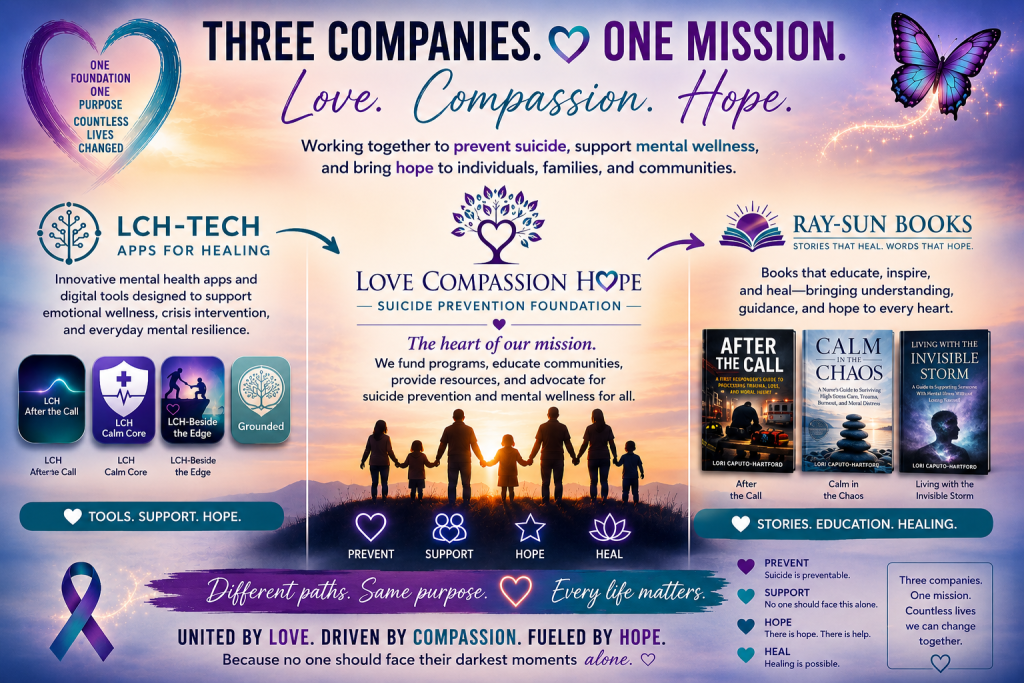
Our LGBTQIA+ mental health ecosystem brings support together in one place.
Books can help people learn and feel less alone.
Apps can give people tools they can use each day.
Educational resources can help families, friends, schools, and communities learn how to offer better support.
Together, these tools can help people build hope, find support, and take the next step.
You Matter
A person is more than one hard day.
More than fear.
More than rejection.
And
More than pain.
LGBTQIA+ Suicide Prevention begins when people know they matter and know where they can turn for help.
Listen.
Care.
Reach out.
Stand beside someone who is hurting.
A small act of kindness may become the first step toward hope.