EMS Mental Health and Healthy Ways to Cope
Alcohol & Substance Use After Trauma
EMS professionals answer some of life’s most difficult calls.
Every shift may include serious injuries, cardiac arrests, overdoses, suicides, child emergencies, and sudden deaths. As a result, those experiences can leave emotional wounds that are difficult to see.
Many EMTs and paramedics carry those memories long after the ambulance is back in service.
Sometimes, alcohol or other substances may seem like a way to relax, sleep, or escape painful memories.
However, unhealthy coping can create even bigger challenges over time.
Our Foundation created this resource to help EMS professionals understand the connection between trauma, alcohol, and substance use while encouraging healthier ways to heal.
Trauma Can Build Over Time
One difficult call is hard.
However, hundreds of difficult calls can change how you think and feel.
You may remember a child you could not save.
You may replay an unsuccessful resuscitation.
Meanwhile, repeated overdose calls or fatal crashes may begin to affect your sleep, your relationships, or your emotional health.
Because of this, some EMS professionals turn to alcohol or other substances in an effort to cope.
Although that may provide temporary relief, it does not heal the trauma.
Why It Happens
There is rarely one simple reason.
Instead, several challenges often come together.
These may include:
- Repeated exposure to trauma
- Pediatric emergencies
- Unsuccessful resuscitations
- Overdose calls
- Patient deaths
- Long shifts
- Sleep deprivation
- PTSD
- Anxiety
- Depression
- Family stress
Furthermore, many EMS professionals feel pressure to stay strong and keep moving to the next call.
Warning Signs
The warning signs may appear slowly.
However, recognizing them early can make a difference.
Watch for:
- Drinking more often
- Using alcohol to sleep
- Misusing prescription medication
- Increased irritability
- Mood changes
- Difficulty concentrating
- Relationship problems
- Missing work
- Feeling emotionally numb
- Feeling out of control
If these signs continue, it may be time to reach out for help.
Healthy Ways to Cope
Recovery starts with healthy choices.
For example, many EMS professionals benefit from:
- Talking with trusted coworkers
- Peer support programs
- Professional counseling
- Regular exercise
- Healthy sleep routines
- Spending time with family
- Journaling
- Breathing exercises
- Mindfulness
Above all, remember that caring for yourself helps you continue caring for others.
Look Out for Your Partner
EMS is built on teamwork.
Therefore, pay attention to changes in your partner or coworkers.
Ask how they are doing.
Listen without judgment.
Offer encouragement.
Sometimes, one conversation is enough to help someone take the next step toward recovery.
Recovery Is Possible
Healing does not happen overnight.
Instead, it happens one day at a time.
Some days will feel easier.
Even so, every healthy decision moves you forward.
Recovery is possible.
Hope is real.
You never have to face this journey alone.
Resources from Our Foundation
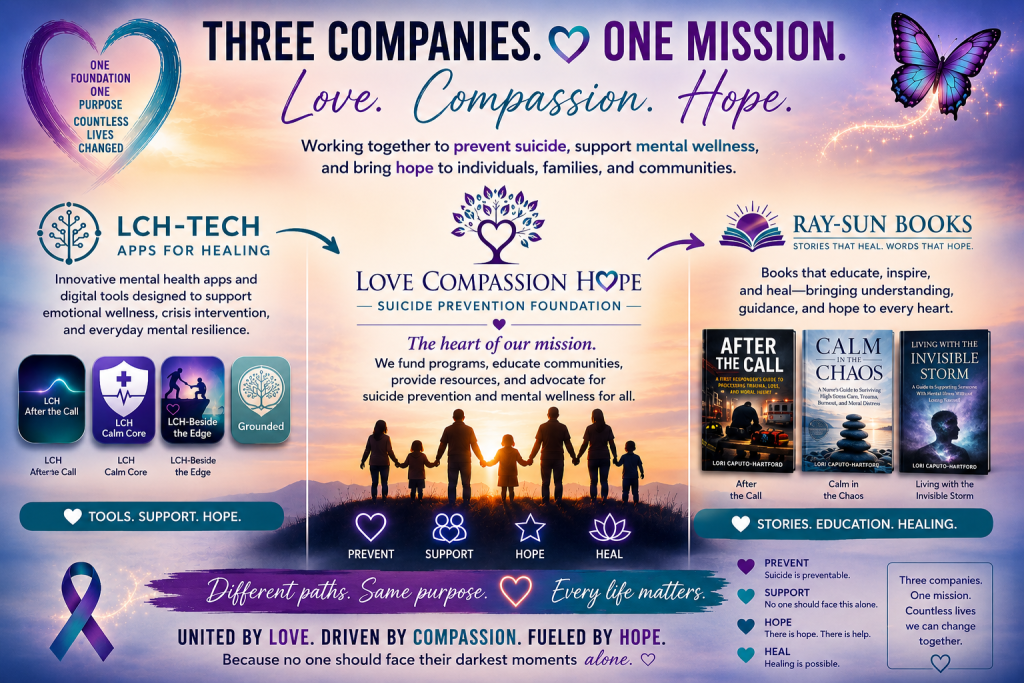
Companion App
LCH-Recovery
The app provides practical tools to support recovery and emotional wellness, including:
- Daily check-ins
- Guided journaling
- Recovery planning
- Coping strategies
- Emotional wellness exercises
- Crisis resources
- Motivational encouragement
Companion Book
Substance Recovery Support: A Practical Guide to Recovery, Relapse Prevention, and Emotional Healing
This compassionate guide explores addiction, recovery, relapse prevention, emotional healing, resilience, and practical strategies for building a healthier future.
You May Also Find These Resources Helpful
- Restore
- Grounded
- Trauma & Recovery
- Crisis & Immediate Support
- Community Partners & Resources
You Are Not Alone
Every call leaves an impression.
However, you do not have to carry those memories by yourself.
Healing takes courage.
Recovery takes support.
Most importantly, your mental health matters just as much as the patients you care for every day.
Our Foundation is honored to stand beside EMTs and paramedics with compassion, education, and hope.