Community violence affects everyone. You do not have to witness a violent event to feel its impact. News reports, neighborhood incidents, or violence involving someone you know can leave you feeling anxious, fearful, or overwhelmed.
Many people notice changes in their mood, sleep, or sense of safety after violence. Others feel angry, sad, distracted, or constantly alert. These reactions are common. More importantly, they do not mean something is wrong with you.
Although violence can change a community, it does not have to define your future. Healing is possible. Support is available. Hope is real.
How Community Violence Affects Mental Health
Community violence can affect both your mind and body. In fact, stress from repeated exposure may build over time.
You may experience:
- Anxiety or fear
- Sadness or grief
- Anger or frustration
- Trouble sleeping
- Feeling constantly alert
- Difficulty concentrating
- Emotional numbness
- Loss of motivation
- Worry about loved ones
- Feeling unsafe in familiar places
Even if these feelings seem overwhelming today, they can improve with support, healthy coping skills, and time.
Healthy Ways to Cope
You cannot control every event around you. However, you can control how you care for yourself.
Try these healthy coping strategies:
- Talk with someone you trust.
- Spend time with supportive people.
- Limit upsetting news and social media.
- Take walks or exercise.
- Practice slow breathing.
- Write in a journal.
- Spend time outdoors.
- Keep a regular sleep schedule.
- Focus on what you can control.
- Ask for help when you need it.
Small steps may not solve everything overnight. However, they can lower stress and help you feel more grounded each day.
Building Stronger Communities
Healing grows through connection. As communities support one another, hope becomes stronger.
You can help by:
- Checking on neighbors and friends.
- Supporting local youth programs.
- Joining community events.
- Volunteering your time.
- Sharing reliable mental health resources.
- Encouraging kindness and respect.
- Reporting unsafe situations.
- Creating spaces where people feel welcome.
Every positive action helps build safer and healthier communities.
When to Seek Professional Help
Sometimes stress lasts longer than expected. If symptoms continue or begin affecting daily life, professional support can help.
Reach out if you experience:
- Constant fear or panic
- Ongoing sadness or depression
- Trouble working or attending school
- Nightmares or intrusive memories
- Withdrawing from family and friends
- Increased alcohol or drug use
- Thoughts of self-harm or suicide
Getting help early often makes recovery easier.
Holding On and LCH–Grounded
The Holding On book teaches practical skills for managing stress, anxiety, grief, trauma, and emotional pain. Each chapter offers simple strategies that help readers build resilience and find hope during difficult times.
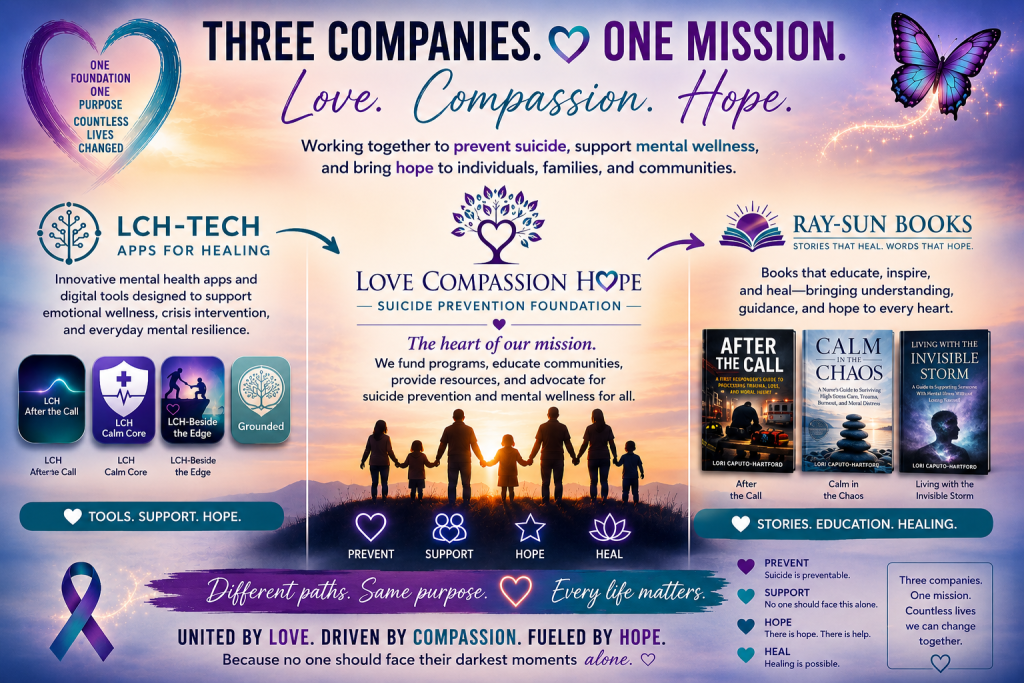
The LCH–Grounded app builds on those lessons with breathing exercises, grounding tools, guided relaxation, mindfulness activities, emotional wellness resources, coping strategies, and quick access to crisis support. Together, the book and app provide everyday tools that help people recover from difficult experiences and strengthen emotional well-being.
Hope Starts With Us
Community violence can leave lasting emotional wounds. Even so, healing is possible. Every caring conversation, every act of kindness, and every connection helps create a stronger community.
Take care of yourself. Support those around you. Reach out when you need help.
You are not alone, and there is always hope.