EMS work does not follow a normal schedule. You may work nights, weekends, or long shifts. You may also miss sleep because of calls.
Over time, this can wear you down.
Poor sleep affects your body and mind. It can make it harder to focus. It can also slow your reaction time. In addition, you may feel tired, angry, stressed, or overwhelmed.
Good sleep helps you recover. It also helps you stay alert and ready for the next call.
Start with small changes. First, make your room dark and quiet. Keep it cool if you can. Next, try to follow a sleep routine. Even a simple routine can help your body know when it is time to rest.
Also, watch your caffeine use. Avoid it close to bedtime. Eat healthy meals and drink enough water. Movement can help too. A short walk or light exercise may improve your energy and sleep.
Most of all, listen to your body. Do not ignore extreme fatigue. If you are too tired to work or drive safely, speak up.
Support is also important. Talk with a trusted coworker, supervisor, peer support member, or mental health professional when you need help.
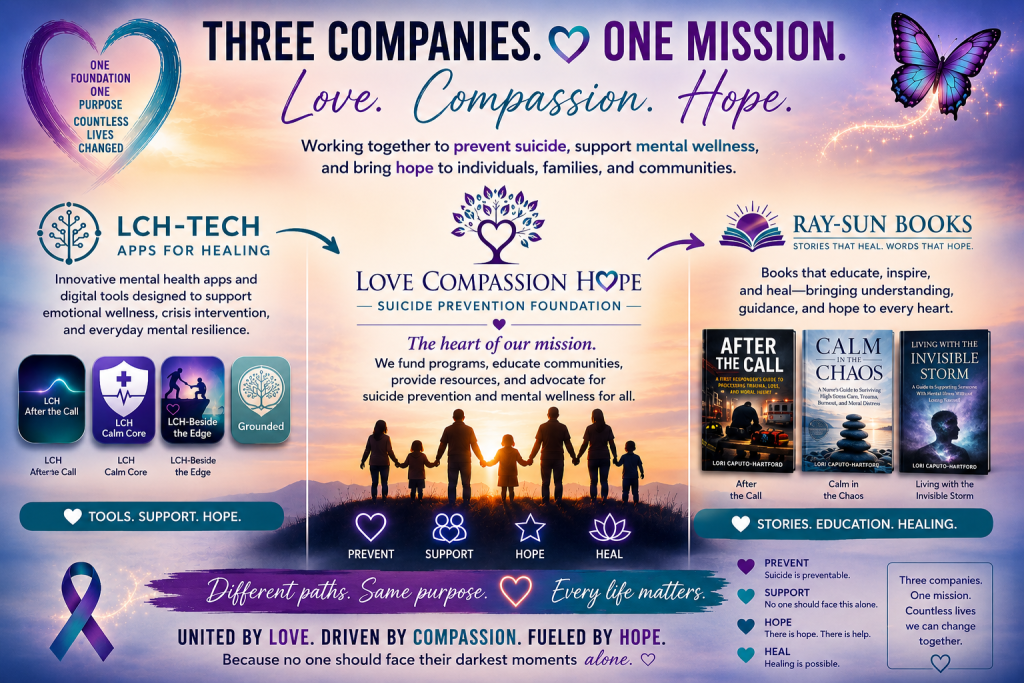
The After the Call book and LCH-After the Call app offer more support for EMS providers. They include tools for stress, trauma, sleep, difficult calls, and emotional recovery.
You take care of people every day. Your health matters too. Rest. Recover. Take care of you.