Losing a partner is one of the hardest experiences a first responder can face. Your partner was more than a coworker. They were someone you trusted with your life. You worked side by side through long shifts, difficult calls, and moments that few people outside the profession can understand.
When that partnership ends because of a line-of-duty death or another loss, the grief can feel overwhelming. Your routines change. Your confidence may change. Even returning to work can feel different.
Although the pain is real, you do not have to carry it alone. Healing takes time, and support can help you move forward while honoring your partner’s memory.
Common Reactions After Losing a Partner
Every person grieves in a different way. Even so, many first responders experience similar reactions after losing a trusted partner.
You may notice:
- Shock or disbelief
- Deep sadness
- Anger or frustration
- Survivor’s guilt
- Trouble sleeping
- Difficulty concentrating
- Anxiety or panic
- Emotional numbness
- Fatigue
- Feeling that no one understands
These feelings are normal. They do not mean you are weak. They mean you lost someone who mattered.
Small Steps That Can Help
Healing does not happen all at once. Instead, it happens one day and one step at a time.
Helpful ideas include:
- Talk about your partner and your memories.
- Stay connected with your crew.
- Accept help from family and friends.
- Keep healthy routines.
- Eat regular meals.
- Get enough sleep.
- Spend time outdoors.
- Write in a journal.
- Attend peer support meetings.
- Honor your partner through service or remembrance.
You do not have to stop missing them in order to begin healing.
Support From Your Team
No one understands first responder loss better than another first responder. Therefore, stay connected with the people who shared the experience.
Check on one another. Listen without judging. Share memories when the time feels right. Remember that everyone grieves differently. Some people need to talk, while others need quiet support.
Simply showing up can make a lasting difference.
When to Ask for More Help
Grief takes time. However, some signs should never be ignored.
Reach out for professional support if you experience:
- Ongoing hopelessness
- Severe anxiety
- Panic attacks
- Heavy alcohol or drug use
- Isolation from family or coworkers
- Constant guilt that does not improve
- Thoughts of self-harm or suicide
Getting help is not a sign of weakness. Instead, it shows courage and strength.
How the After the Call Ecosystem Can Help
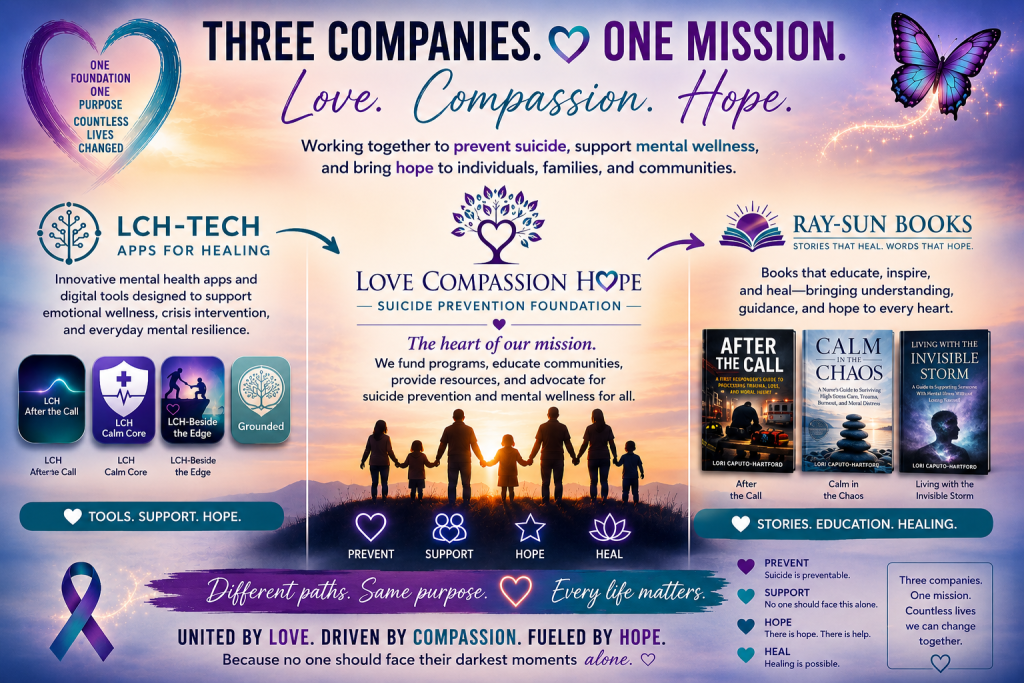
The After the Call ecosystem was created for firefighters, EMS professionals, law enforcement officers, correctional officers, dispatchers, and other first responders who carry the emotional weight of the job.
The After the Call book explains grief, trauma, resilience, PTSD, burnout, moral injury, and emotional recovery through practical guidance written specifically for public safety professionals. The LCH–After the Call app complements the book with grounding exercises, wellness tools, coping strategies, educational resources, and quick access to crisis support whenever it is needed.
Together, these resources help first responders care for their own mental health while honoring those they have lost.
Honor Their Memory by Caring for Yourself
Your partner helped protect others every day. One of the best ways to honor their memory is to care for your own health and well-being.
Keep talking. Healing. Keep showing up for yourself and your team.
Their legacy lives on through the lives they touched, the people they served, and the partners who continue the mission every day.