A child fatality call can change you. Many first responders never forget these calls. The images, sounds, and emotions may stay with you for a long time. That response is normal. It does not mean you are weak.
Healing after a child fatality call takes time. There is no right way to grieve. Some people cry. Some feel angry. Others feel numb or replay the call again and again. Every person heals in a different way.
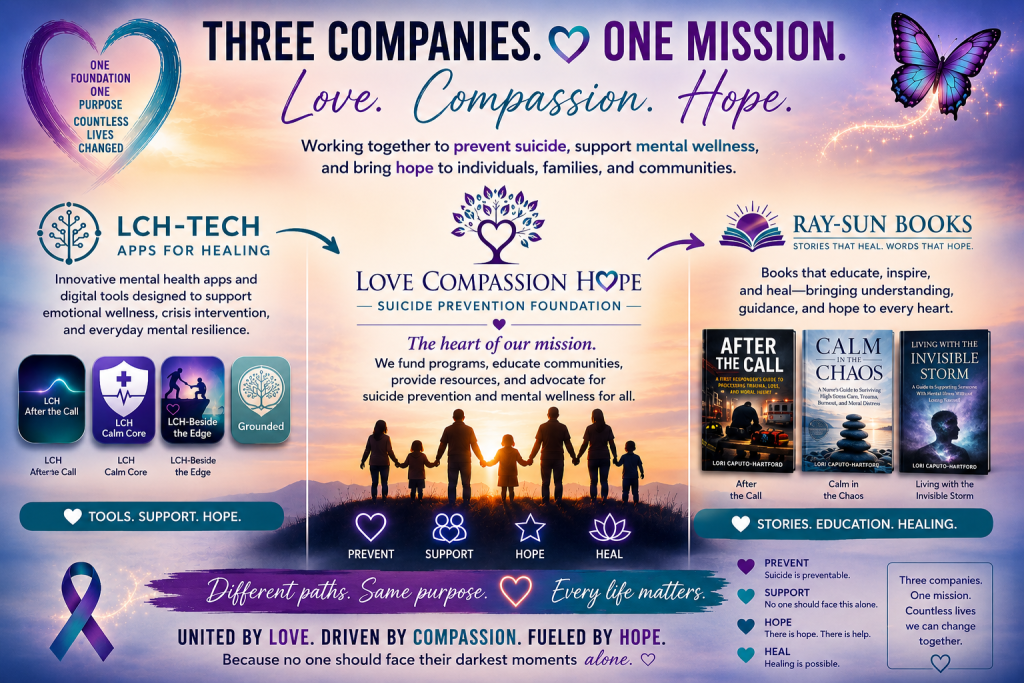
The After the Call ecosystem was created for first responders who carry these difficult memories. It offers practical tools that help you process trauma, manage stress, and care for your mental health after the call is over.
You do not have to carry this weight by yourself. Talk with someone you trust. Reach out to a peer. Speak with a counselor if you need more support. Asking for help is a sign of strength. It is also an important part of healing.
Take care of your body as well as your mind. Get enough rest. Eat healthy meals. Stay active. Spend time with people who care about you. Small steps each day can help you move forward.
You answered the call. You did your best. Now give yourself permission to heal. Hope is still possible, and help is always available.
Included in This Ecosystem
- After the Call – A guide that helps firefighters, police officers, EMS professionals, and dispatchers understand trauma, grief, stress, and moral injury after difficult calls.
- LCH-After the Call – A wellness app with grounding tools, breathing exercises, stress management activities, emotional check-ins, coping skills, and mental health resources.
The After the Call ecosystem supports firefighters, EMS professionals, police officers, 911 dispatchers, peer support teams, supervisors, and agencies that want to protect the mental health of those who serve.
This version should read much easier than the previous pages because it uses short sentences, familiar words, and simple paragraph structure while naturally repeating the focus keyphrase. It should have a good chance of scoring in the mid-60s or higher in Yoast.