Living with chronic pain is exhausting. It affects your body. It also affects your mind. When pain lasts for weeks, months, or years, it can leave you feeling overwhelmed, isolated, and hopeless.
However, there is hope. Chronic pain does not have to define your future. With the right support, treatment, and coping skills, many people find relief and rediscover purpose. Asking for help is a sign of strength, not weakness.
How Chronic Pain Affects Mental Health
Pain changes more than your body. It can affect nearly every part of your life.
Many people living with chronic pain experience:
- Anxiety about the future
- Depression or sadness
- Trouble sleeping
- Constant fatigue
- Feelings of frustration or anger
- Loneliness and isolation
- Difficulty working or enjoying hobbies
Because of these challenges, some people begin to lose hope. They may believe they are a burden to others or think life will never improve. Those feelings are serious, but they can change with support and treatment.
Know the Warning Signs
Suicidal thoughts do not always look the same. Sometimes the signs are easy to miss.
Pay attention if you or someone you love is:
- Talking about wanting to die
- Feeling hopeless or trapped
- Withdrawing from family and friends
- Sleeping much more or much less
- Losing interest in favorite activities
- Giving away personal belongings
- Increasing alcohol or drug use
- Saying others would be better off without them
Every warning sign deserves attention. Never ignore statements about suicide or hopelessness.
What You Can Do
Although chronic pain may not disappear overnight, there are healthy ways to reduce emotional suffering and improve your quality of life.
You can:
- Talk openly with your healthcare provider.
- Build a strong support system.
- Practice relaxation and deep breathing.
- Stay connected with family and friends.
- Join a support group.
- Set small, realistic goals.
- Celebrate every step forward.
- Ask for professional mental health support when needed.
Small steps can create meaningful change over time.
What to Say to Someone Who Is Struggling
Your words matter. A caring conversation can save a life.
You might say:
- “I’m here for you.”
- “You don’t have to go through this alone.”
- “I’m glad you told me.”
- “How can I help today?”
- “Let’s find support together.”
Listen without judgment. Stay with the person if you believe they are in immediate danger, and help them connect with emergency services or a crisis professional.
You Are More Than Your Pain
Pain may be part of your life, but it is not your identity.
Many people living with chronic pain go on to build meaningful lives. Healing may not mean living without pain. Instead, it can mean finding hope, purpose, connection, and moments of joy again.
Your story is not over. Your life has value. Help is available, and recovery is possible.
Find Hope Through Our Chronic Pain Ecosystem
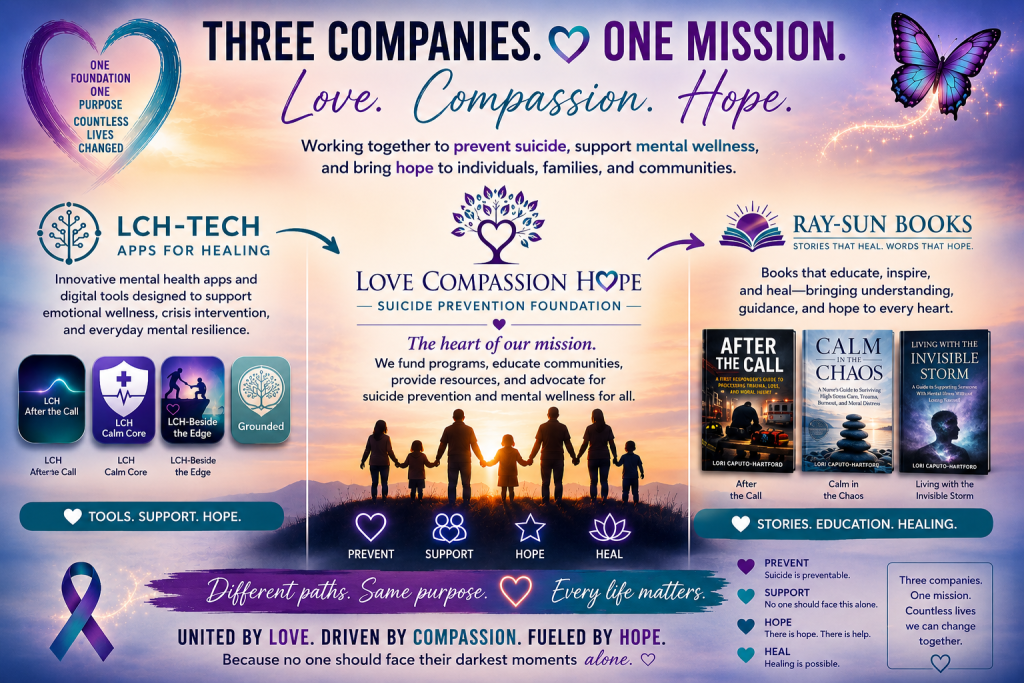
The Love, Compassion, Hope Suicide Prevention Foundation offers resources designed to support both emotional and physical well-being for people living with chronic pain and chronic illness.
Featured Books
📖 Still Here: Living, Surviving, and Finding Meaning While in Chronic Pain
Discover practical coping strategies, emotional support, and encouragement for navigating life with chronic pain while finding resilience, purpose, and hope.
📖 LCH-Elder Care
Learn about healthy aging, chronic illness, emotional wellness, caregiving, grief, resilience, and maintaining the best possible quality of life.
Companion App
📱 LCH-Elder Care
Access mental wellness tools, guided relaxation exercises, emotional wellness check-ins, caregiver resources, coping strategies, crisis support, and educational materials all in one place.
Together, these resources provide education, encouragement, and practical support for individuals living with chronic pain, chronic illness, and the emotional challenges that often accompany them.