A suicidal call can stay with you for a long time. You hear fear. Hear pain. You hear someone who may have lost hope. Those calls are never easy.
As a 911 dispatcher, your voice matters. You stay calm when others cannot. You listen. Guide the caller. You help until more help arrives. You may never know how the story ends, but your work matters.
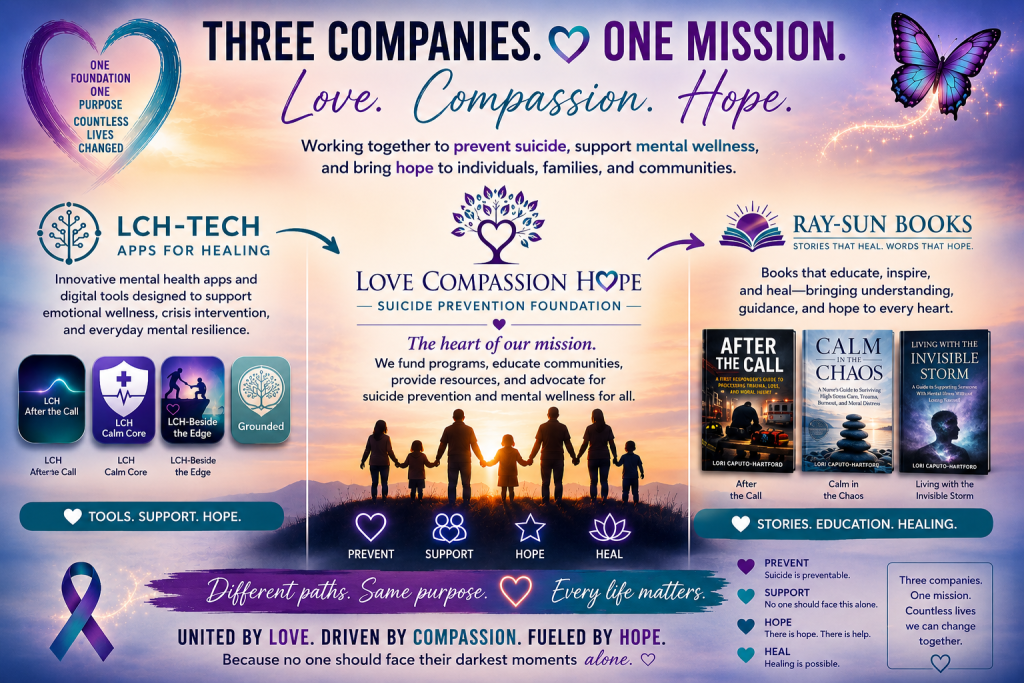
The After the Call ecosystem was built for dispatchers and other first responders. It gives you simple tools for hard days. It helps you manage stress, process difficult calls, and care for your own mental health.
Learning to handle suicidal callers takes time. No one gets every call perfect. Listen with care. Stay calm. Ask clear questions. Let the caller know they are not alone. Small actions can help keep someone safe.
The call does not end when you hang up. It is normal to think about the call later. It is normal to feel tired, sad, or upset. Talk with a trusted coworker. Use peer support. Reach out for help if you need it. Taking care of yourself helps you care for others.
You answer the call every day. You make a difference every day. Deserve support, too.
Included in This Ecosystem
- After the Call – A guide that helps first responders understand stress, trauma, grief, and moral injury after difficult calls.
- LCH-After the Call – A wellness app with stress tools, grounding exercises, breathing activities, emotional check-ins, coping skills, and mental health resources.
The After the Call ecosystem supports 911 dispatchers, emergency communications staff, police officers, firefighters, EMS professionals, supervisors, and peer support teams. It provides practical tools that help first responders stay healthy, build resilience, and continue serving their communities.