Life can become overwhelming. Stress builds. Emotions grow stronger. Some days it may feel hard to slow your thoughts or catch your breath. Although you cannot control every challenge, you can learn healthy ways to respond.
Coping skills are simple tools that help you manage difficult moments. They may not remove the problem right away. However, they can help you feel calmer, think more clearly, and take the next step forward.
The goal is not to avoid hard feelings. Instead, it is to move through them in healthy ways while protecting your mental health.
What Are Coping Skills?
Coping skills are healthy actions that help you manage stress, anxiety, sadness, grief, anger, and emotional pain.
Everyone is different. As a result, one coping skill may work better for one person than another. Therefore, it is helpful to build a toolbox of healthy strategies you can use whenever life becomes difficult.
Healthy coping skills can:
- Lower stress
- Calm strong emotions
- Improve focus
- Build resilience
- Increase confidence
- Support emotional healing
- Reduce feelings of overwhelm
- Help you solve problems more clearly
Small actions often lead to meaningful change over time.
Healthy Coping Skills You Can Use Today
When emotions become intense, try one or more of these simple techniques:
- Take slow, deep breaths.
- Go for a short walk.
- Stretch your body.
- Drink a glass of water.
- Write in a journal.
- Listen to calming music.
- Practice mindfulness.
- Spend time outside.
- Read something encouraging.
- Talk with someone you trust.
- Draw, paint, or create something.
- Take a break from social media.
- Focus on one task at a time.
- Practice gratitude.
- Get enough sleep.
You do not have to use every tool. Instead, discover which ones work best for you.
Coping Skills That Build Long-Term Wellness
Healthy coping is not only for difficult days. It also helps build emotional strength over time.
Consider making these habits part of your routine:
- Exercise regularly.
- Eat balanced meals.
- Keep a consistent sleep schedule.
- Spend time with supportive people.
- Practice relaxation techniques.
- Set healthy boundaries.
- Make time for hobbies.
- Celebrate small victories.
- Ask for help when needed.
Over time, these habits can improve both emotional and physical well-being.
Coping Skills to Avoid
Some behaviors may provide short-term relief but often make emotional struggles worse.
Try to avoid:
- Isolating yourself
- Using alcohol or drugs to cope
- Ignoring your emotions
- Taking your frustration out on others
- Staying busy to avoid your feelings
- Comparing your struggles to someone else’s
Healthy coping takes practice. Every small step matters.
When It Is Time to Reach Out
Sometimes coping skills are not enough by themselves. If your emotional pain continues or becomes more intense, reaching out for professional support is an important next step.
Seek help if you experience:
- Persistent sadness
- Feelings of hopelessness
- Thoughts of self-harm or suicide
- Severe anxiety or panic
- Loss of interest in daily life
- Difficulty caring for yourself
- Heavy alcohol or drug use
You do not have to wait until you reach a crisis. Early support often leads to better outcomes.
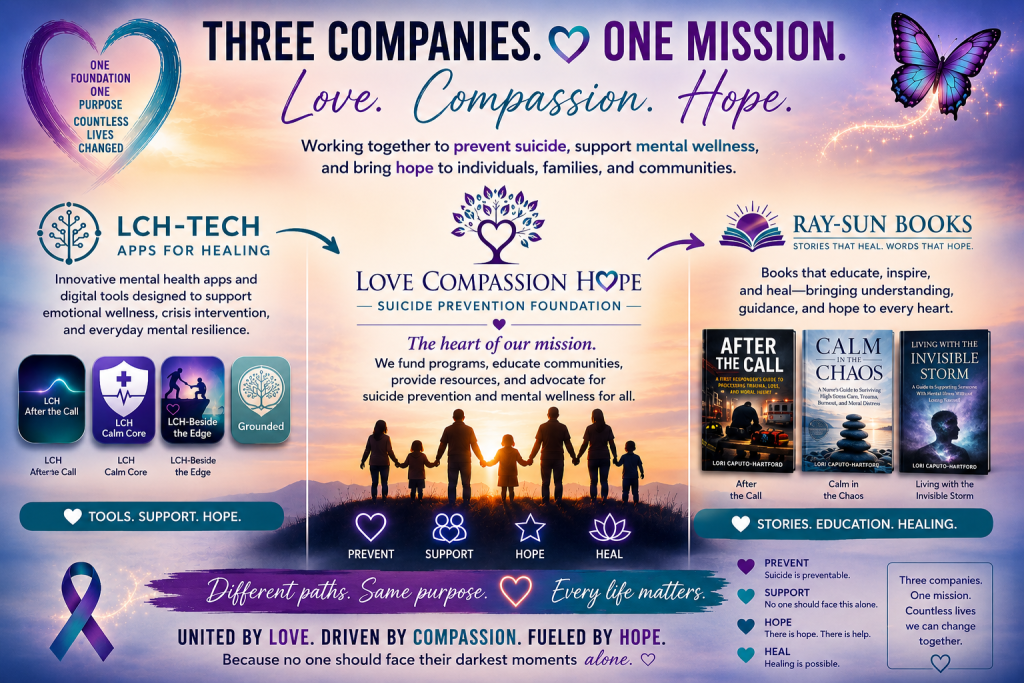
How Holding On and LCH–Grounded Can Help
The Holding On book provides practical guidance for managing emotional pain, building resilience, and developing healthy coping strategies during life’s most difficult moments.
The LCH–Grounded app complements the book with guided breathing exercises, grounding techniques, mindfulness activities, emotional check-ins, coping tools, educational resources, and quick access to crisis support when it is needed.
Together, they provide practical support for anyone who wants to strengthen emotional wellness and build healthier ways to cope with life’s challenges.
Every Small Step Matters
You do not have to solve everything today. Instead, focus on the next healthy choice. One breath. One conversation. One positive action.
Healing is a journey, not a race. With healthy coping skills, supportive people, and the right resources, it is possible to move forward one step at a time.