Alcohol & Substance Use in Law Enforcement
When the Badge Becomes Heavy
The Hidden Coping Trap
Police officers see tragedy.
Day after day, they respond to violence, fatal crashes, child abuse, overdoses, suicides, and other traumatic events.
As a result, many officers carry emotional stress long after the shift ends.
Some turn to alcohol.
Others rely on prescription medication.
Still others use substances to help them sleep or quiet difficult memories.
However, those coping methods can create new problems over time.
Why It Happens
Most officers do not begin drinking or using substances because they want to.
Instead, they often want relief.
Long hours.
Night shifts.
Trauma.
PTSD.
Stress at home.
The pressure to appear strong.
Together, these challenges can make unhealthy coping seem like the easiest option.
Warning Signs
Watch for changes like:
- Drinking more often
- Drinking alone
- Using alcohol to fall asleep
- Misusing prescription medication
- Increased anger
- Irritability
- Missing work
- Relationship problems
- Risk-taking behavior
- Feeling out of control
Although these signs may develop slowly, recognizing them early can prevent bigger problems later.
Asking for Help Is a Strength
Many officers worry that asking for help will damage their career.
However, untreated addiction is far more likely to affect your health, family, and job performance.
Seeking support shows courage.
It also protects your future.
Healthy Ways to Cope
Alcohol is not the only answer.
Instead, healthier coping strategies include:
- Talking with a trusted peer
- Peer support teams
- Professional counseling
- Exercise
- Healthy sleep routines
- Time with family
- Hobbies outside policing
- Mindfulness
- Journaling
Most importantly, remember that your badge does not make you immune to stress.
Looking Out for Each Other
Police officers take care of their partners every day.
Likewise, we must look out for each other off the street.
Check in.
Ask questions.
Listen.
Offer support.
Sometimes, one conversation changes everything.
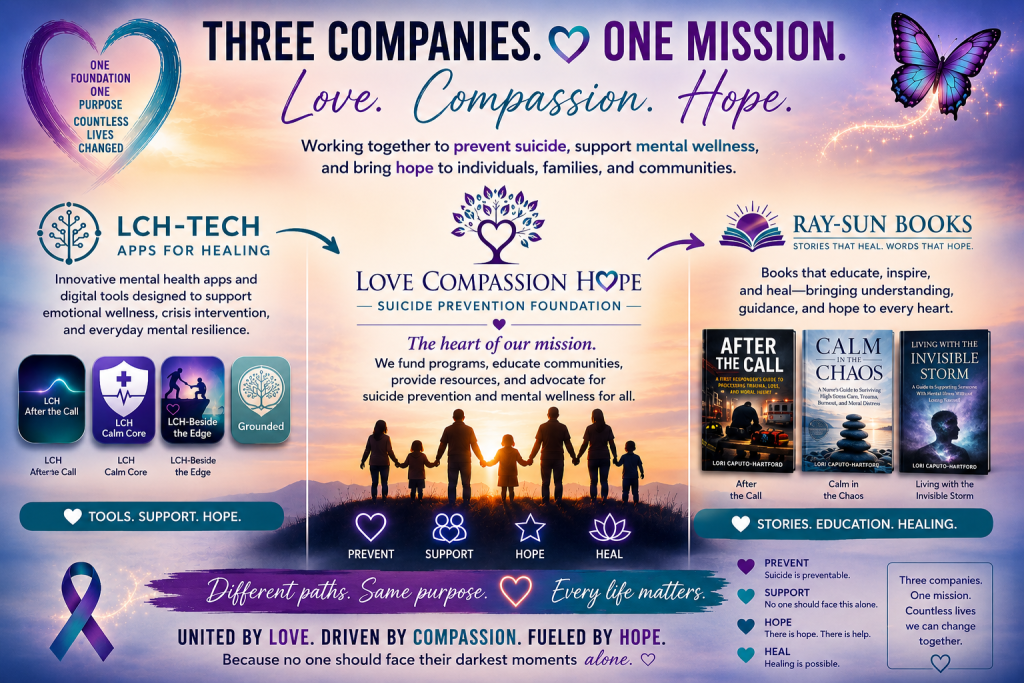
Resources from Our Foundation
Companion App
LCH-Recovery
Recovery tools, emotional wellness support, guided journaling, coping strategies, and practical resources for building healthier habits.
Companion Book
Substance Recovery Support: A Practical Guide to Recovery, Relapse Prevention, and Emotional Healing
A compassionate guide to understanding addiction, recovery, resilience, relapse prevention, and hope.
Estimated reading time: 2 minutes
You Are Not Alone
The badge carries responsibility.
However, it should never carry your pain alone.
Healing is possible.
Recovery is real.
Most importantly, asking for help is one of the strongest decisions an officer can make.