Many people wonder if therapy really works. Some worry they will be judged. Others believe they should solve their problems alone. The truth is that therapy has helped millions of people improve their mental health, build resilience, and regain hope. Asking for help is not a sign of weakness—it is a sign of courage and strength.
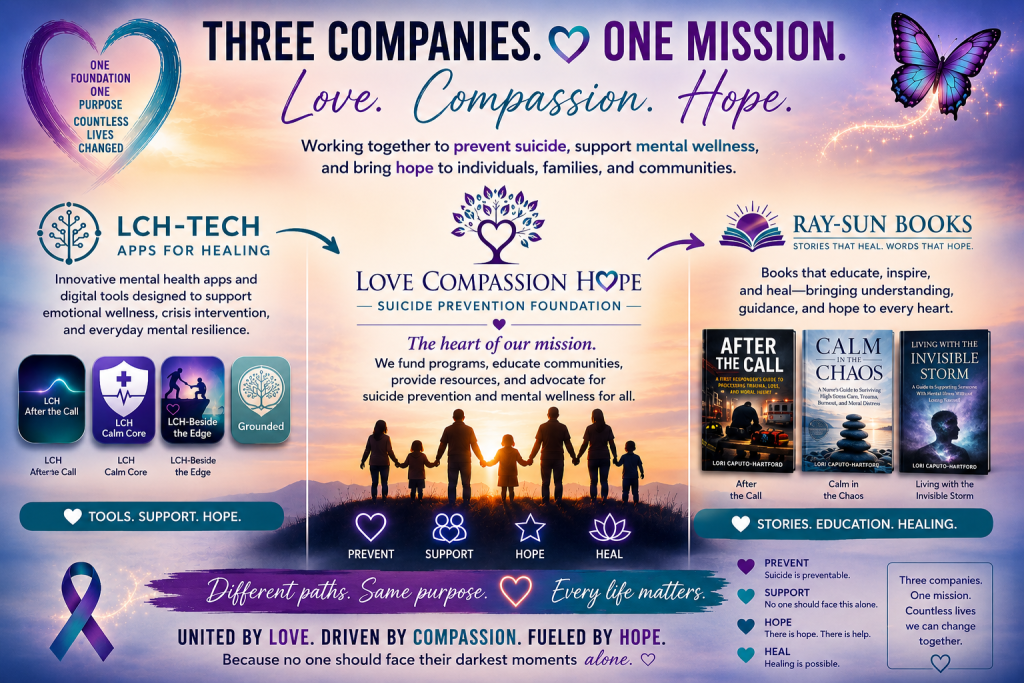
The Love, Compassion, Hope Suicide Prevention Foundation provides mental health resources, books, mobile apps, and educational tools that encourage individuals and families to seek support, develop healthy coping skills, and understand that healing is possible.
What Is Therapy?
Therapy is a partnership between you and a trained mental health professional. It provides a safe, confidential space where you can talk openly about your thoughts, emotions, experiences, and challenges.
People seek therapy for many reasons, including:
- Anxiety
- Depression
- Trauma
- Grief and loss
- Relationship challenges
- Life transitions
- Stress
- Family concerns
- Self-esteem
- Personal growth
You do not have to wait until life feels overwhelming before reaching out.
How Therapy Can Help
Therapy offers practical tools that can improve emotional well-being and quality of life.
It can help you:
- Better understand your thoughts and emotions.
- Develop healthy coping skills.
- Reduce anxiety and stress.
- Manage depression.
- Heal from trauma.
- Improve communication and relationships.
- Build confidence and resilience.
- Develop healthier habits.
- Strengthen problem-solving skills.
- Find hope and purpose again.
Progress often happens one small step at a time.
What to Expect During Therapy
Every therapist has a unique style, but most counseling begins by getting to know you and understanding your goals.
During therapy you may:
- Talk about your experiences.
- Explore emotions safely.
- Learn practical coping strategies.
- Practice new ways of thinking.
- Set realistic goals.
- Track your progress over time.
Healing is a process, not a race.
Common Myths About Therapy
Many people avoid therapy because of common misconceptions.
Some myths include:
- Therapy is only for people in crisis.
- Asking for help means you are weak.
- Therapy never works.
- Talking cannot solve problems.
- Only people with mental illness need counseling.
In reality, therapy helps people manage everyday stress, improve relationships, recover from difficult experiences, and build healthier lives.
Getting the Most from Therapy
Successful therapy is built on honesty, trust, and consistency.
You can improve your experience by:
- Being open about your feelings.
- Asking questions.
- Practicing skills between sessions.
- Being patient with yourself.
- Celebrating small victories.
- Speaking up if something is not working.
Growth takes time, and every step forward matters.
When Should You Seek Help?
Consider talking with a mental health professional if you are:
- Feeling overwhelmed most days.
- Struggling with anxiety or depression.
- Experiencing ongoing grief.
- Recovering from trauma.
- Having difficulty sleeping.
- Losing interest in activities you once enjoyed.
- Feeling isolated from others.
- Having thoughts of self-harm or suicide.
Seeking help early often makes recovery easier.
Resources That Can Help
The Love, Compassion, Hope Suicide Prevention Foundation offers practical resources that support emotional wellness and recovery.
Helpful resources include:
- LCH-Rising suicide prevention app
- LCH-Grounded anxiety support app
- LCH-Restore trauma recovery app
- Walking Beside the Edge book
- Educational articles
- Mental health resources
- Crisis support information
- Wellness tools for individuals and families
Our mission is to help people find hope, build resilience, and access the support they deserve.
Healing Is Possible
No one has to face life’s challenges alone. Therapy is not about fixing who you are it is about helping you discover the strengths you already have while learning new ways to cope, heal, and grow.
Reaching out for support may be one of the most important steps you ever take.