Being a teenager is not always easy. School, friendships, family life, social media, and growing up can all bring stress. Sometimes those challenges become more than a bad day. Depression is a real medical condition that affects how teens think, feel, and live. The good news is that depression is treatable, and help is available.
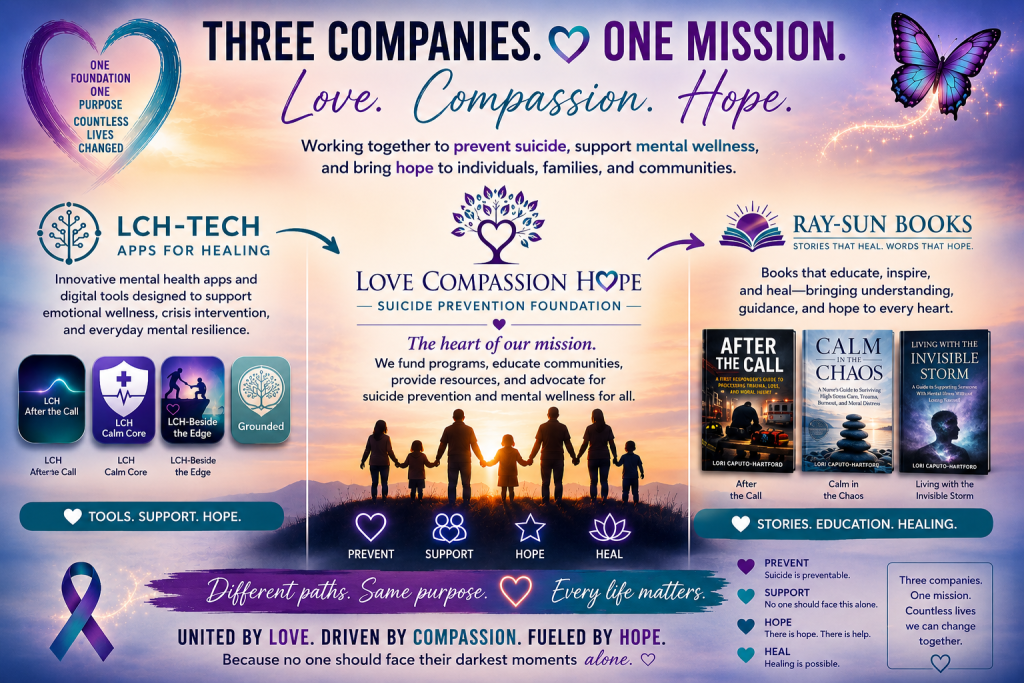
The Love, Compassion, Hope Suicide Prevention Foundation provides mental health resources, books, mobile apps, and practical tools for teens, parents, caregivers, teachers, and schools. Our goal is to help young people recognize the signs of depression, find support early, and know they are never alone.
What Is Teen Depression?
Teen depression is more than sadness. It affects emotions, thoughts, energy, and behavior. It can also make everyday tasks feel difficult.
A teen with depression may struggle to enjoy activities, connect with friends, finish schoolwork, or care for themselves. Depression is not a weakness, and it is never something a person simply chooses.
Common Signs of Depression
Every teen is different. However, many experience similar signs.
Common symptoms include:
- Feeling sad most days
- Losing interest in favorite activities
- Low energy or constant tiredness
- Sleeping too much or too little
- Eating more or less than usual
- Trouble focusing at school
- Feeling guilty or worthless
- Pulling away from family or friends
- Becoming more irritable or angry
- Thinking about death or suicide
If these signs last for more than two weeks, it is important to seek help.
What Can Contribute to Depression?
Depression usually has more than one cause.
Several things can increase risk, including:
- Family history of depression
- Stress or trauma
- Bullying
- Relationship problems
- School pressure
- Major life changes
- Chronic illness
- Changes in brain chemistry
Even so, depression is treatable, and recovery is possible.
Healthy Ways to Cope
Small actions can help improve emotional well-being.
Try to:
- Spend time outside.
- Move your body every day.
- Talk with someone you trust.
- Write in a journal.
- Listen to calming music.
- Do something creative.
- Eat healthy meals.
- Get enough sleep.
Although these steps help, they are not a replacement for professional treatment when depression is severe.
How Parents and Adults Can Help
Parents, caregivers, teachers, coaches, and trusted adults all play an important role.
You can help by:
- Listening without judging.
- Taking feelings seriously.
- Staying calm.
- Offering encouragement.
- Helping find professional care.
- Checking in often.
- Reminding teens they are loved.
Support and understanding can make a lasting difference.
When to Get Help Right Away
Some signs require immediate attention.
Get help immediately if a teen:
- Talks about suicide
- Says they feel hopeless
- Has a plan to harm themselves
- Gives away important belongings
- Says goodbye to people
- Shows sudden, extreme mood changes
- Engages in dangerous behavior
Never ignore these warning signs. Early action saves lives.
Resources for Teens and Families
The Love, Compassion, Hope Suicide Prevention Foundation provides resources designed for young people and the adults who support them.
Resources include:
- Walking Beside the Edge book
- LCH-Rising suicide prevention app
- LCH-Echo teen mental health app
- Educational articles
- Mental wellness resources
- Crisis support information
- Family guidance
- School resources
These resources help teens build resilience, strengthen coping skills, and find hope during difficult times.
You Are Not Alone
Depression tells people that nothing will ever change. That is not true.
With support, treatment, and hope, teens recover every day. Asking for help is a sign of courage, not weakness.
You matter. Your future matters. Your story is still being written.