A pediatric emergency can stay with you long after the call ends. Healing after a pediatric emergency takes time. Many EMS professionals, firefighters, police officers, and dispatchers carry memories they cannot easily forget. You may replay the call. May question your decisions. You may wonder if there was something more you could have done. These reactions are common after traumatic events.
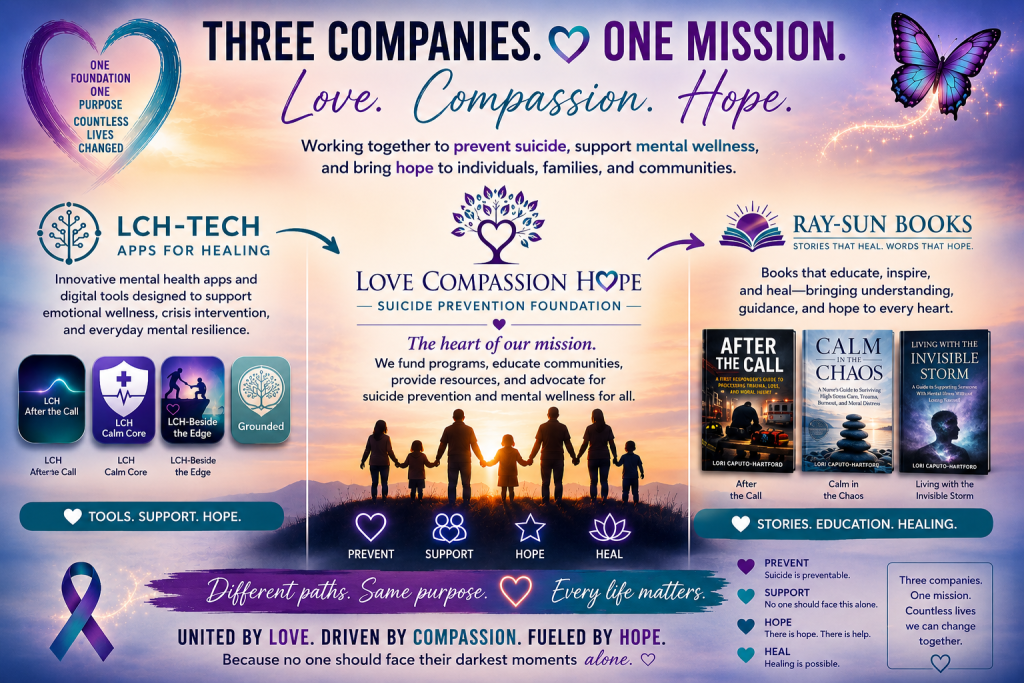
The After the Call ecosystem was created to help first responders recover from difficult calls. It offers practical tools, trusted guidance, and mental wellness resources. You do not have to carry the weight alone.
After a pediatric emergency, you may notice changes in your sleep, mood, energy, or focus. You may feel sadness, guilt, anger, or emotional numbness. Certain sounds, places, or reminders may bring the event back to mind. These reactions are normal. They do not mean you are weak. They mean you experienced something difficult.
Healing starts with simple steps. Talk with someone you trust. Reach out to a peer supporter, counselor, or loved one. Practice grounding exercises. Take slow breaths. Get enough rest. Stay active when you can. Eat healthy meals. Give yourself permission to recover one day at a time.
Healing after a pediatric emergency does not mean forgetting the child or the family. It means learning to move forward while honoring the experience. Recovery is possible. Hope is real. You deserve the same compassion that you give to others every day.
Included in This Ecosystem
- After the Call – A comprehensive guide for firefighters, EMS professionals, police officers, and 911 dispatchers coping with trauma, grief, critical incidents, and moral injury.
- LCH-After the Call – A mental wellness app with grounding exercises, breathing tools, emotional check-ins, wellness tracking, stress management resources, and first responder support.
The After the Call ecosystem helps first responders build resilience, process difficult experiences, strengthen recovery, and protect long-term mental wellness.