Helping Children Manage Big Feelings
Every child has big feelings.
Children may feel angry, sad, worried, frustrated, or overwhelmed. These emotions are normal. They are part of growing up.
The goal is not to stop children from feeling emotions. The goal is to help them respond in healthy ways.
Learning emotional regulation gives children skills they can use for the rest of their lives.
What Is Emotional Regulation?
Emotional regulation means understanding feelings and managing them safely.
Children learn to:
- Notice how they feel.
- Pause before reacting.
- Calm their bodies.
- Make good choices.
- Solve problems.
- Ask for help when they need it.
These skills take time. Every child learns at a different pace.
Why Children Feel Overwhelmed
Many things can cause big emotions.
A child may feel upset because of:
- School problems
- Friendship issues
- Bullying
- Changes at home
- Loud places
- Feeling tired
- Feeling hungry
- Anxiety
- Fear
- Stress
Knowing what caused the feeling helps children learn what they need.
Healthy Ways to Calm Down
Children can practice simple calming skills every day.
Helpful ideas include:
- Take slow breaths.
- Count to ten.
- Drink water.
- Stretch your body.
- Hug a stuffed animal.
- Listen to music.
- Draw or color.
- Read a favorite book.
- Sit somewhere quiet.
- Talk to a trusted adult.
Not every tool works for every child. Keep practicing until you find what helps.
Helping Children Talk About Feelings
Many children cannot explain what they feel.
Simple questions can help.
Ask things like:
- Are you sad?
- Are you worried?
- Are you frustrated?
- Are you angry?
- Are you scared?
When children can name a feeling, they often feel more in control.
How Parents Can Help
Children learn by watching adults.
Parents and caregivers can:
- Stay calm.
- Listen carefully.
- Let children know their feelings matter.
- Teach healthy coping skills.
- Praise good choices.
- Keep daily routines.
- Practice calming tools together.
Children feel safer when adults stay patient and supportive.
Practice Every Day
Emotional regulation grows through practice.
Try these simple ideas:
- Read books about feelings.
- Practice deep breathing.
- Talk about emotions every day.
- Celebrate progress.
- Make time for play.
- Encourage healthy sleep.
- Spend time outside.
Small habits build strong skills.
Resources for Families
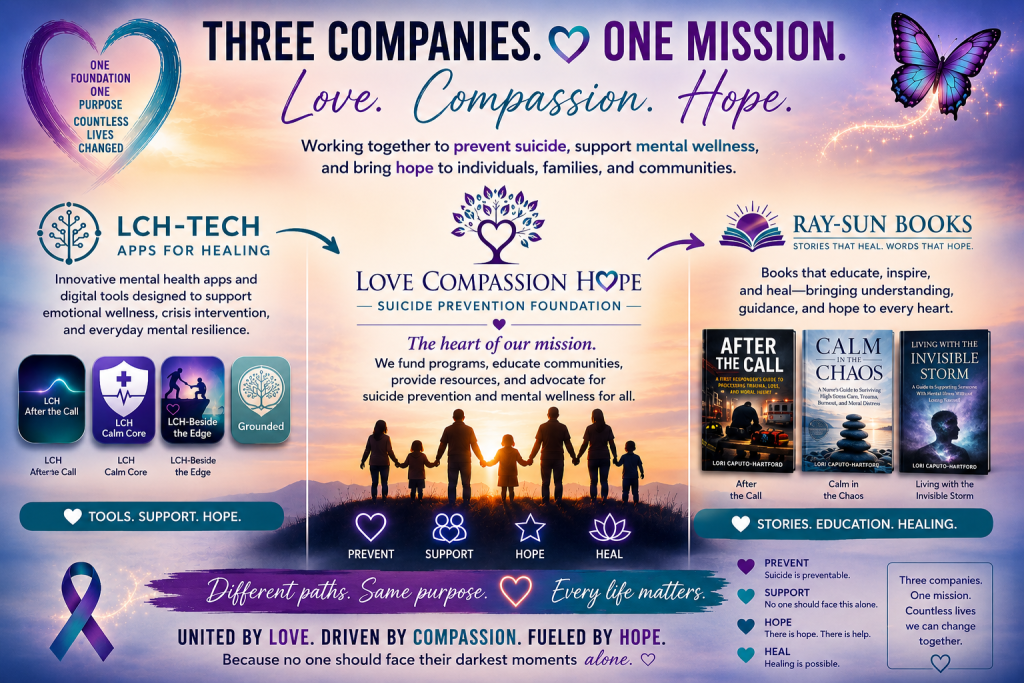
The Love, Compassion, Hope Suicide Prevention Foundation offers tools that help children build healthy coping skills.
LCH-Spark
LCH-Spark teaches children about emotions, kindness, confidence, and healthy coping skills through fun, age-appropriate activities.
LCH-Empowered
LCH-Empowered helps older children and teens strengthen confidence, build resilience, and develop healthy emotional habits for everyday life.
Together, these resources support emotional growth for children and families.
Every Child Can Learn
Big feelings are normal.
Children do not need to fear their emotions.
They need caring adults, healthy coping tools, and time to practice.
Every calm choice builds confidence.
Every small success builds resilience.
With patience and support, every child can learn healthy emotional regulation and grow into a confident, resilient adult.