Explore first responder mental health resources for police officers, firefighters, EMS professionals, correctional officers, dispatchers, and emergency personnel. Learn about stress, trauma, burnout, PTSD, moral injury, and healthy coping strategies.
After the Call
The sirens stop.
The radio gets quiet.
The shift ends.
However, the memories often remain.
Every day, first responders see things that most people never will. Fires. Fatal crashes. Violence. Medical emergencies. Child deaths. Suicides. Overdoses.
As a result, the job can leave emotional wounds that are not always easy to see.
That is why first responder mental health matters.
Our Foundation created After the Call to remind every first responder of one simple truth:
You are not alone.
The Job Changes You
Some calls fade.
Others never do.
Sometimes, one call changes everything.
Over time, difficult calls begin to add up.
Sleep becomes harder.
Patience becomes shorter.
Stress follows you home.
Eventually, the weight becomes difficult to carry alone.
That does not mean you are weak.
It means you are human.
Common Reactions
Every first responder is different.
However, many experience similar reactions after difficult calls.
You may notice:
- Trouble sleeping
- Bad dreams
- Feeling on edge
- Anger
- Guilt
- Anxiety
- Feeling emotionally numb
- Pulling away from family
- Trouble focusing
- Always feeling alert
- Feeling worn out
Although these reactions can be scary, they are common after trauma.
Most importantly, help is available.
Trauma Adds Up
One difficult call may not seem overwhelming.
However, hundreds of difficult calls can change how you think and feel.
For example, you may begin expecting the worst.
In addition, you may stop trusting people.
Sometimes, you may even question yourself.
This is why learning about trauma is important.
Understanding what is happening makes it easier to find help.
Taking Care of Yourself
You spend your career helping others.
Now, remember to help yourself.
Healthy habits can make a difference.
For example:
- Get enough sleep.
- Eat healthy meals.
- Stay active.
- Talk with someone you trust.
- Spend time with family.
- Take breaks when possible.
- Keep hobbies outside of work.
- Practice breathing exercises.
Above all, do not ignore your own needs.
Watch Out for Each Other
No one understands the job like another first responder.
Because of this, peer support matters.
Check on your coworkers.
Ask simple questions.
Listen without judging.
Offer support.
Sometimes, one conversation saves a life.
Home Matters Too
Trauma does not stay at work.
Instead, it often follows you home.
Family members may notice changes before you do.
Therefore, talk with the people you love.
Tell them when you are struggling.
Likewise, listen when they share their concerns.
Strong families help build strong first responders.
It Is Okay to Ask for Help
Everyone struggles.
Eventually, everyone needs support.
If stress begins affecting your work, your relationships, or your health, reach out.
You deserve help.
You deserve healing.
Most importantly, you deserve hope.
Resources from Our Foundation
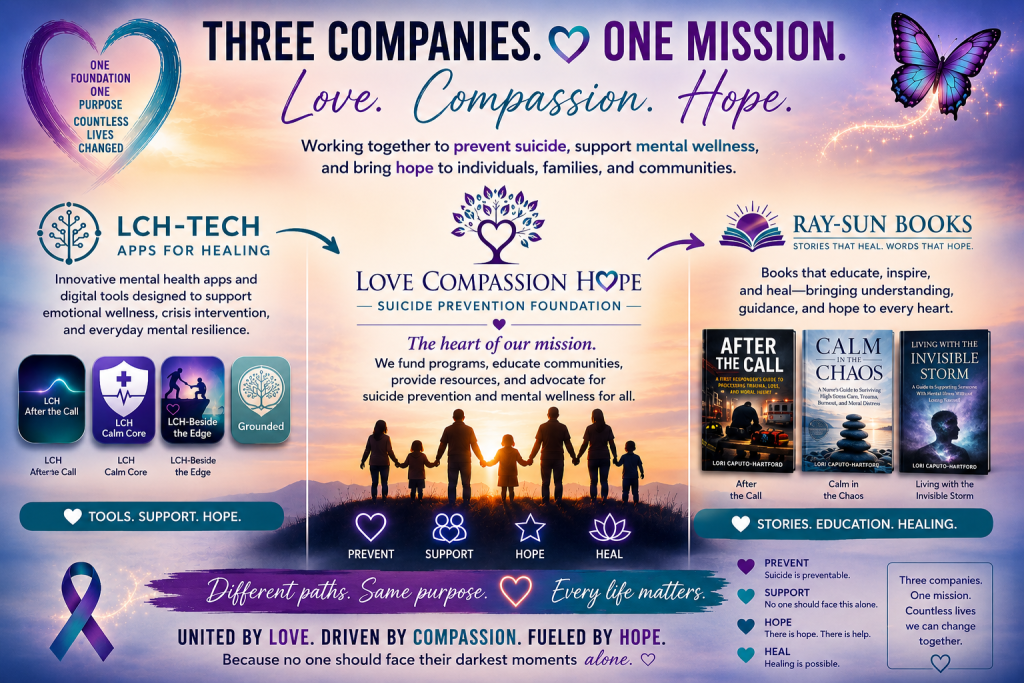
Companion App
LCH-After the Call
Built specifically for first responders, the app includes:
- Stress check-ins
- Grounding exercises
- PTSD education
- Moral injury resources
- Family support
- Peer support
- Guided breathing
- Journaling tools
- Wellness resources
Companion Book
After the Call
This guide explores:
- PTSD
- Burnout
- Trauma
- Moral injury
- Hypervigilance
- Sleep problems
- Family relationships
- Recovery
- Resilience
It was written specifically for first responders.
Explore More Resources
You may also find these helpful:
- Stand Down
- Restore
- Grounded
- Recovery
- Crisis & Immediate Support
- Community Partners & Resources
You Matter
Every shift matters.
Every call matters.
Most importantly, you matter.
The community depends on you.
However, you should never carry the weight of the job alone.
Healing is possible.
Support is available.
Hope is real.
Our Foundation is honored to stand beside every first responder, every shift, and every step of the journey.
App: LCH-After the Call