Mental wellness matters at every stage of life.
Growing older brings many changes. Retirement, health concerns, the loss of loved ones, and reduced independence can affect emotional well-being. However, aging does not mean giving up hope or happiness. With the right support, older adults can continue to enjoy meaningful relationships, new experiences, and a fulfilling life.
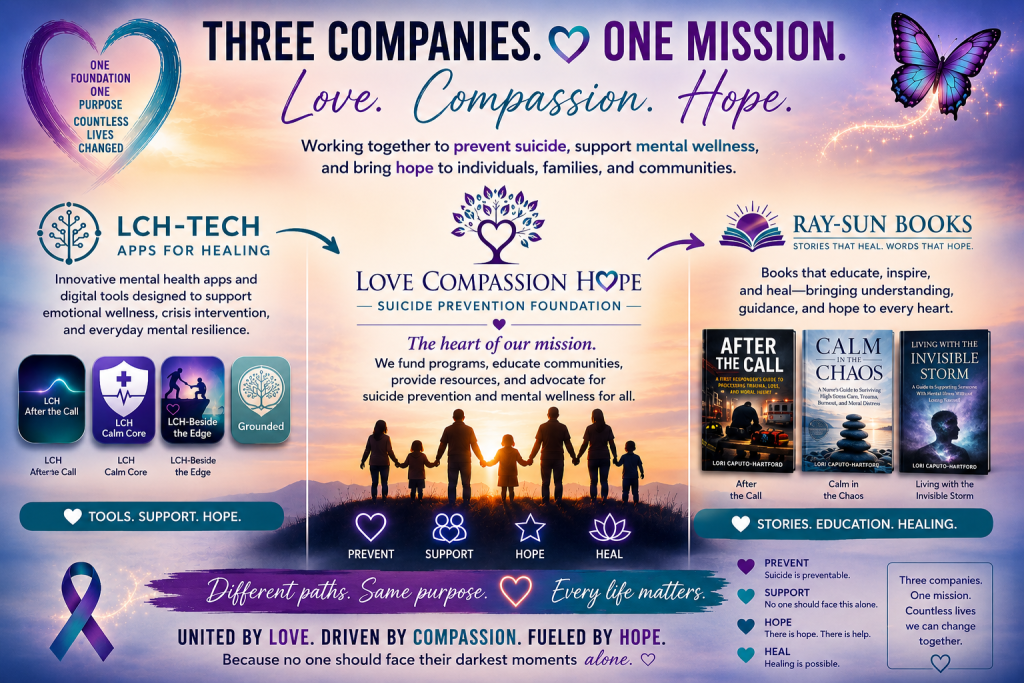
The Love, Compassion, Hope Suicide Prevention Foundation created this resource to help older adults, caregivers, and families better understand elderly mental wellness. Education, connection, and early support can improve quality of life and reduce the risk of depression, anxiety, and isolation.
What Is Elderly Mental Wellness?
Mental wellness is more than the absence of mental illness. It includes emotional health, resilience, social connection, purpose, and the ability to cope with life’s changes.
Good mental wellness helps older adults:
- Stay connected with family and friends
- Manage stress and difficult emotions
- Maintain independence
- Adapt to life changes
- Build healthy daily routines
- Find purpose and hope
Mental wellness deserves the same attention as physical health.
Common Challenges Older Adults Face
Many older adults experience life changes that affect their emotional health, including:
- Loneliness and social isolation
- Grief after losing a spouse, family member, or friend
- Retirement and changes in routine
- Chronic illness or ongoing pain
- Memory concerns
- Reduced mobility
- Financial stress
- Caregiving responsibilities
- Major life transitions
These challenges are common, but support is available.
Warning Signs That Someone May Need Help
It is important to recognize changes that may signal emotional distress.
Watch for:
- Persistent sadness
- Loss of interest in favorite activities
- Withdrawing from family or friends
- Sleeping too much or too little
- Changes in appetite
- Increased anxiety or worry
- Feelings of hopelessness
- Trouble concentrating
- Talking about being a burden
- Thoughts of death or suicide
Early support often leads to better outcomes.
Ways to Support Mental Wellness
Small daily habits can make a meaningful difference.
Try to:
- Stay socially connected.
- Spend time outdoors.
- Eat balanced meals.
- Stay physically active.
- Maintain a regular sleep schedule.
- Challenge your mind with reading, puzzles, or hobbies.
- Practice gratitude.
- Ask for help when you need it.
- Join community activities.
- Talk openly about your feelings.
Every positive step supports emotional well-being.
Supporting an Older Loved One
Families and caregivers play an important role.
You can help by:
- Listening without judgment
- Checking in regularly
- Encouraging medical and mental health care
- Helping maintain daily routines
- Watching for changes in mood or behavior
- Promoting social activities
- Respecting independence whenever possible
Sometimes the greatest gift is simply being present.
When to Seek Professional Help
Reach out to a healthcare provider or mental health professional if emotional struggles last for several weeks, interfere with daily life, or include thoughts of self-harm or suicide.
Seeking help is a sign of strength, not weakness.
The LCH-Elder Care Ecosystem
The LCH-Elder Care Book & App Ecosystem provides trusted education, practical tools, and compassionate support for older adults, caregivers, and families.
Related topics include:
- Healthy Aging
- Dementia & Alzheimer’s Disease
- Caregiver Support
- Elder Abuse Awareness
- Grief & Bereavement
- Loneliness & Social Isolation
- Chronic Illness
- Planning for Future Care
- Community Resources
Together, these resources help older adults live with dignity, hope, and confidence while giving caregivers the knowledge they need to provide compassionate support.