Divorce changes many things, but it does not change how much a child is loved. Children often have questions, worries, and big emotions when parents separate. They may wonder if the divorce is their fault or if their family will ever feel normal again. Honest conversations, consistent routines, and loving support can help children adjust and feel secure during this time.
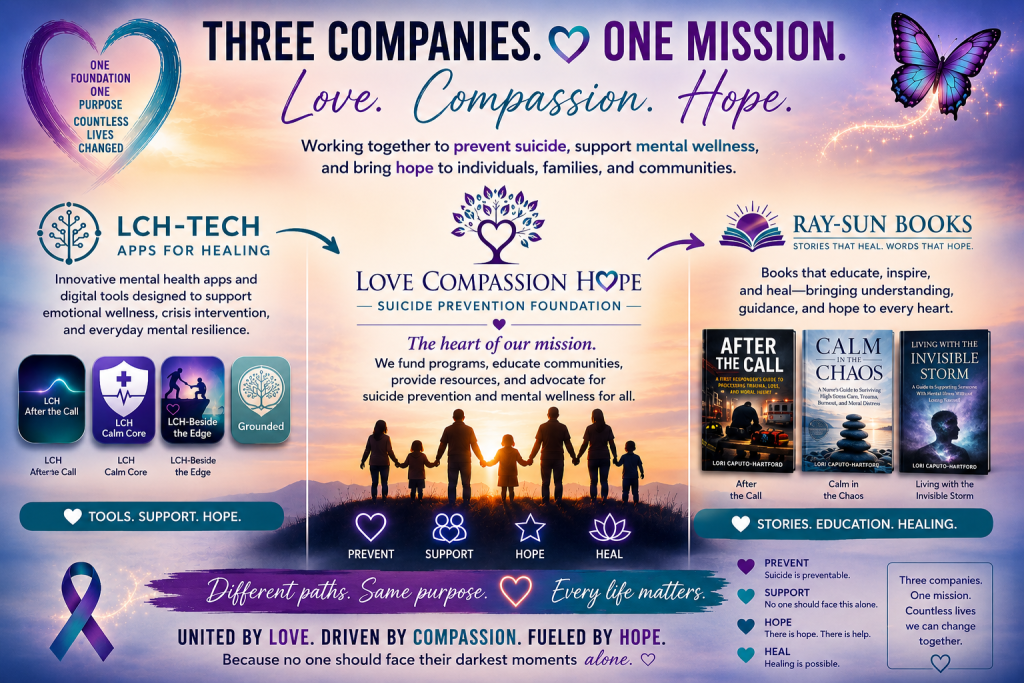
The Love, Compassion, Hope Suicide Prevention Foundation provides child-friendly mental health resources, books, mobile apps, and educational tools that help children and families navigate divorce, family transitions, and emotional well-being with confidence and hope.
What Is Divorce?
Divorce happens when parents decide they will no longer live together as a couple. Families may begin living in different homes, follow new schedules, or experience other changes.
Although daily life may look different, one important truth never changes: children are not responsible for the divorce, and they deserve love, support, and stability from the important adults in their lives.
Common Feelings Children May Experience
Every child reacts differently. Some children adjust quickly, while others need more time.
Children may feel:
- Sad
- Angry
- Confused
- Worried
- Lonely
- Scared
- Frustrated
- Relieved
- Hopeful
All of these feelings are normal. Talking about emotions can make them easier to understand and manage.
Helping Children Cope with Change
Healthy coping skills help children feel more secure during family transitions.
Encourage children to:
- Talk about their feelings.
- Spend time with trusted adults.
- Read books about family changes.
- Draw, write, or journal.
- Stay physically active.
- Listen to calming music.
- Practice slow, deep breathing.
- Keep familiar routines whenever possible.
Small daily routines often provide comfort during uncertain times.
Reassuring Messages Every Child Needs to Hear
Children benefit from hearing the same reassuring messages again and again.
Remind them:
- The divorce is not your fault.
- Both parents love you.
- You do not have to choose sides.
- It is okay to ask questions.
- Your feelings matter.
- You are safe.
- You are loved.
- You are not alone.
Simple, consistent reassurance helps children build emotional security.
Helping Children Express Their Feelings
Many children struggle to find the right words. Adults can make conversations easier by asking gentle, open-ended questions.
Try asking:
- How are you feeling today?
- What has been the hardest part?
- What has helped you feel better?
- Is there anything you wish adults understood?
- How can I help you today?
Listening without judgment is often more helpful than trying to solve every problem.
Adults Can Make a Big Difference
Parents, grandparents, teachers, counselors, coaches, and other trusted adults all play an important role in helping children adjust.
Children benefit when adults:
- Keep routines as consistent as possible.
- Speak respectfully about one another.
- Avoid putting children in the middle of conflicts.
- Encourage healthy emotional expression.
- Work together when possible.
- Seek professional support if a child is struggling.
A calm, supportive environment helps children build resilience during times of change.
Resources for Children and Families
The Love, Compassion, Hope Suicide Prevention Foundation offers resources that help children understand emotions, build confidence, and strengthen resilience.
Helpful resources include:
- LCH-Spark children’s mental wellness app
- Child-friendly emotional wellness activities
- Family mental health resources
- Educational articles for parents and caregivers
- Emotional coping tools
- Crisis support information
- Positive communication resources
Our goal is to help every child feel safe, supported, understood, and hopeful.
Every Family Looks Different
Families may change over time, but love, safety, and connection can remain strong. With patience, understanding, and the right support, children can adjust, grow, and thrive through family transitions.
Every child deserves to know they are valued, protected, and deeply loved.