Every child is different.
Every brain is different too.
Some children learn, play, speak, feel, or handle the world in different ways.
That is okay.
Our neurodivergent support for ages 3–18 gives children, teens, parents, and caregivers simple tools for mental wellness and daily life.
The goal is not to change who a child is.
The goal is to help each child feel safe, understood, supported, and valued.
What Does Neurodivergent Mean?
Neurodivergent children may think or learn in ways that are different from others.
This can include autism, ADHD, dyslexia, and other differences.
One child may need extra time to answer a question.
Another may find loud sounds hard.
Some children love routines.
Others may have trouble with focus, reading, or change.
Each child has their own needs.
They also have their own strengths.
Support for Young Children
Young children may not have the words to explain what they feel.
Instead, they may cry, hide, become quiet, or have a hard time staying calm.
Their actions can tell us something.
They may be tired.
The room may be too loud.
A change may feel scary.
They may simply need a break.
Adults can help by staying calm and trying to understand what the child needs.
Growing and Learning
As children grow, life changes.
School becomes harder.
Friendships become more important.
There may be homework, tests, sports, and new rules.
These things can create stress.
Simple routines can help.
Clear directions can help too.
Breaking a large task into small steps may make it easier to manage.
Support for Teens
The teen years bring new challenges.
Teens may worry about school, friends, their future, or fitting in.
Some may feel left out.
Others may face bullying.
A neurodivergent teen may also become tired from trying to fit into a world that does not always understand their needs.
Teens need places where they can be themselves.
They also need adults who listen.
Feelings Matter
Neurodivergent children and teens have the same wide range of feelings as everyone else.
They may feel happy, sad, worried, angry, lonely, or scared.
Sometimes those feelings become hard to manage.
It is important to take them seriously.
Instead of saying, “Calm down,” try asking:
“What would help you right now?”
That question can open the door to support.
Sensory Needs Matter
Sounds, lights, smells, textures, and busy spaces can feel very strong for some children.
A crowded room may feel like too much.
A loud school bell may cause stress.
Even clothing or food textures may be difficult.
These reactions should not be treated as bad behavior.
Small changes may help.
A quiet space, headphones, softer lighting, or a short break can make a difference.
Build on Strengths
Support should not focus only on what is hard.
Children have strengths too.
A child may be creative.
They may have a wonderful memory.
They may notice details others miss.
or
They may love art, music, animals, science, computers, or nature.
Find those strengths.
Encourage them.
Confidence grows when children know that who they are has value.
Mental Wellness Tools
Children and teens can learn simple ways to care for their mental health.
They can take slow breaths.
Can move their body.
They can draw or write.
Can listen to music.
They can spend time in a quiet place.
They can talk with someone they trust.
Not every tool works for every child.
That is why choices matter.
Help at School
School should be a place where children can learn and feel safe.
Some students may need more time.
Others may need breaks, clear directions, a quieter space, or another way to complete a task.
Parents, caregivers, teachers, and school staff can work together.
The question should always be:
What will help this child learn and succeed?
Parents and Caregivers Matter Too
Supporting a child can be hard at times.
Parents may feel tired or unsure about what to do next.
You do not need to know everything.
Learn about your child’s needs.
Ask questions.
Talk with teachers and other people who support your child.
Most of all, listen to your child.
Their experience matters.
Apps and Resources for Different Ages
Our resources provide different types of support as children grow.
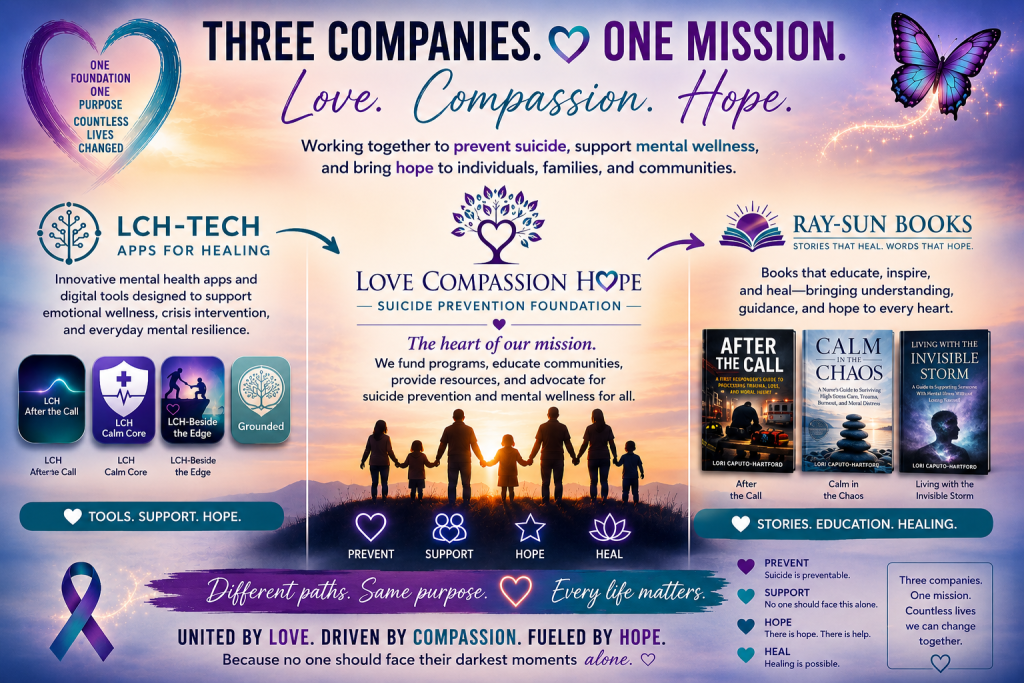
LCH-Neuro Path Jr. offers kid-friendly tools for younger neurodivergent users.
LCH-Echo Lite provides autism-friendly mental wellness support for older children and teens.
Other resources can help parents and caregivers better understand emotions, stress, communication, and daily challenges.
Children can use the tools that fit their age and needs.
Every Child Deserves to Belong
Children should not have to hide who they are to feel accepted.
They deserve patience.
Deserve respect.
They deserve friendship.
They deserve support.
And they deserve the chance to grow into who they are meant to be.
Different minds bring different ideas, talents, and ways of seeing the world.
That difference has value.
Every brain is different.
Each child has strengths.
Every feeling matters.
Each child deserves support.
Every child belongs.