Caring with Dignity: Supporting Our Aging Loved Ones Through Every Stage
Aging is a natural part of life, but navigating it isn’t always simple.
For many families, elder care becomes a journey filled with emotional decisions, complex systems, and overwhelming responsibility. Whether it begins with small signs, missed medications, mobility challenges, or memory lapses, or arises suddenly after a health crisis, one truth remains constant:
Our loved ones deserve to age with dignity, safety, and compassion.
Understanding the Reality of Elder Care
Elder care is not just about physical health; it’s about preserving identity, independence, and emotional well-being.
Families often find themselves asking:
- How do I ensure my loved one is safe at home?
- What services are available and how do I access them?
- How do I balance caregiving with my own life?
- What happens when their needs become more than I can manage alone?
These questions are not just logistical; they are deeply personal.
The Hidden Emotional Weight
Caregiving can be one of the most meaningful roles a person takes on, but it can also be one of the most exhausting.
Many caregivers experience:
- Emotional burnout
- Guilt when they need help
- Fear of making the “wrong” decisions
- Isolation from their own support systems
And often, they carry this quietly.
At the same time, older adults may struggle with:
- Loss of independence
- Loneliness or social isolation
- Anxiety about health or finances
- Grief over changing abilities and life roles
Building a Supportive Care Environment
Effective elder care isn’t about doing everything alone it’s about building a network of support.
This may include:
- Healthcare providers and specialists
- In-home care services
- Community programs and senior resources
- Legal and financial planning professionals
- Emotional and mental health support
The goal is not just to extend life but to improve its quality.
Advocacy Matters More Than Ever
Many families don’t realize how often older adults are underserved or overlooked within healthcare and social systems.
Advocacy means:
- Asking questions
- Understanding rights and benefits
- Ensuring proper care plans are followed
- Speaking up when something doesn’t feel right
It also means helping older adults maintain their voice, even when systems try to silence it.
Technology and the Future of Elder Care
Today, digital tools are transforming how we support aging populations.
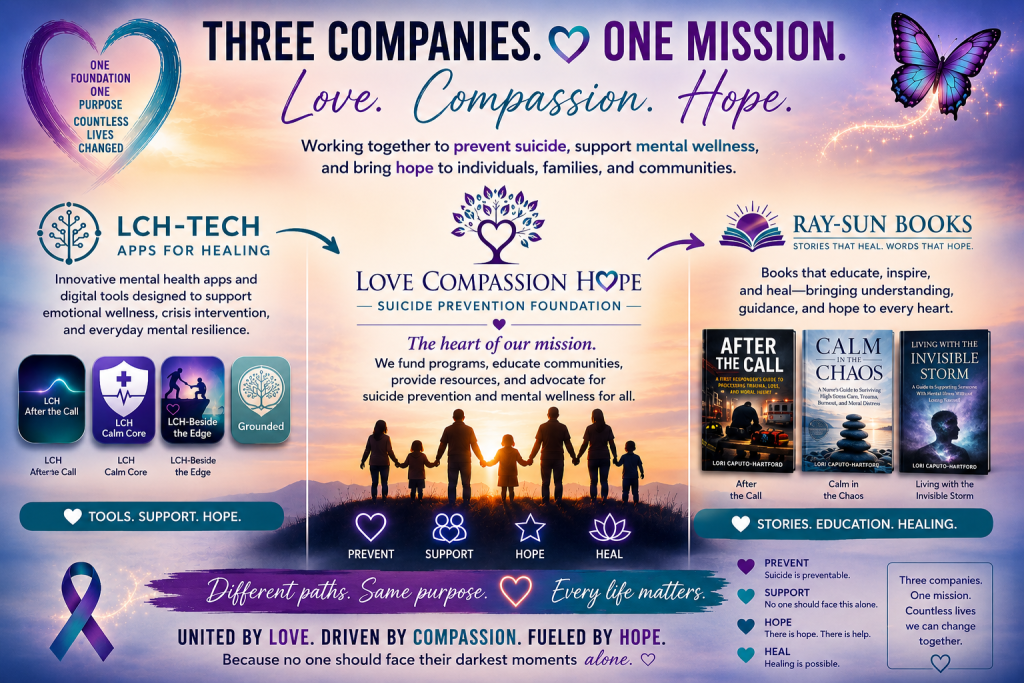
Apps and platforms like those being developed through the Love Compassion Hope ecosystem can provide:
- Daily wellness check-ins
- Medication reminders
- Emergency support access
- Emotional wellness tools
- Care coordination for families
Technology is not replacing human care; it’s strengthening it.
You Are Not Alone
If you are caring for an aging loved one, know this: You are doing something incredibly important, and you don’t have to do it alone. Support exists. Guidance exists, and compassionate care rooted in dignity and respect is always!